The Ultimate Guide to Infant Bottle Feeding: Tips for a Happy, Healthy Baby
Whether you are a first-time parent or adding a new member to your family, infant bottle feeding is a journey filled with learning and bonding. While the process might seem straightforward, mastering the nuances, from choosing the best anti-colic baby bottles to understanding infant formula preparation guidelines,can make a world of difference in your baby’s comfort and health.
In this guide from Mumzworld, we’ll walk through everything you need to know about infant bottle feeding in the UAE, ensuring you have the right BPA-free bottle feeding supplies and the best techniques to support your little one’s growth.
Getting Started: Preparing the Essentials
Before you even begin the first feed, having the right bottle feeding equipment is key. Safety and hygiene are the foundation of healthy infant bottle feeding.
•
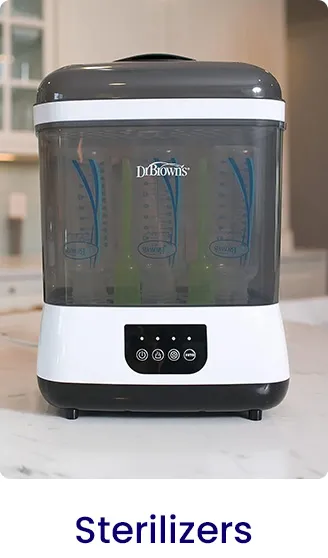
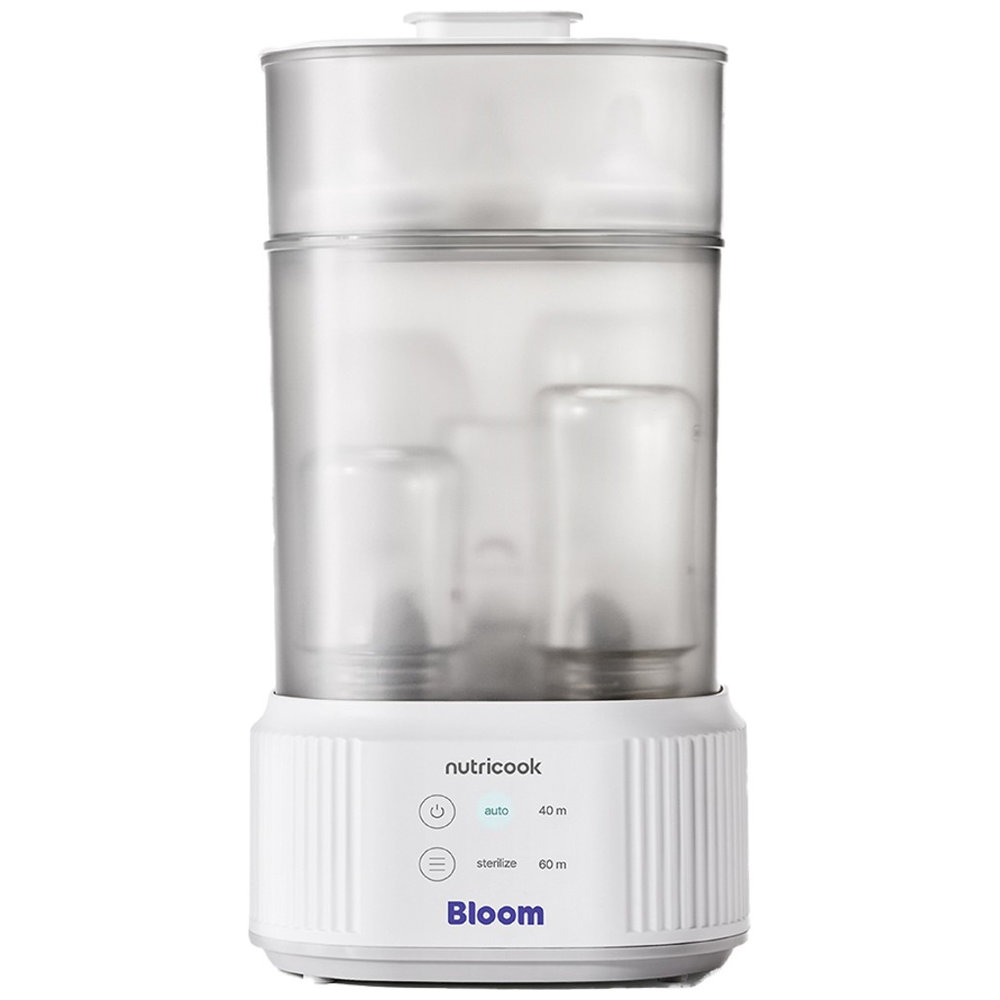
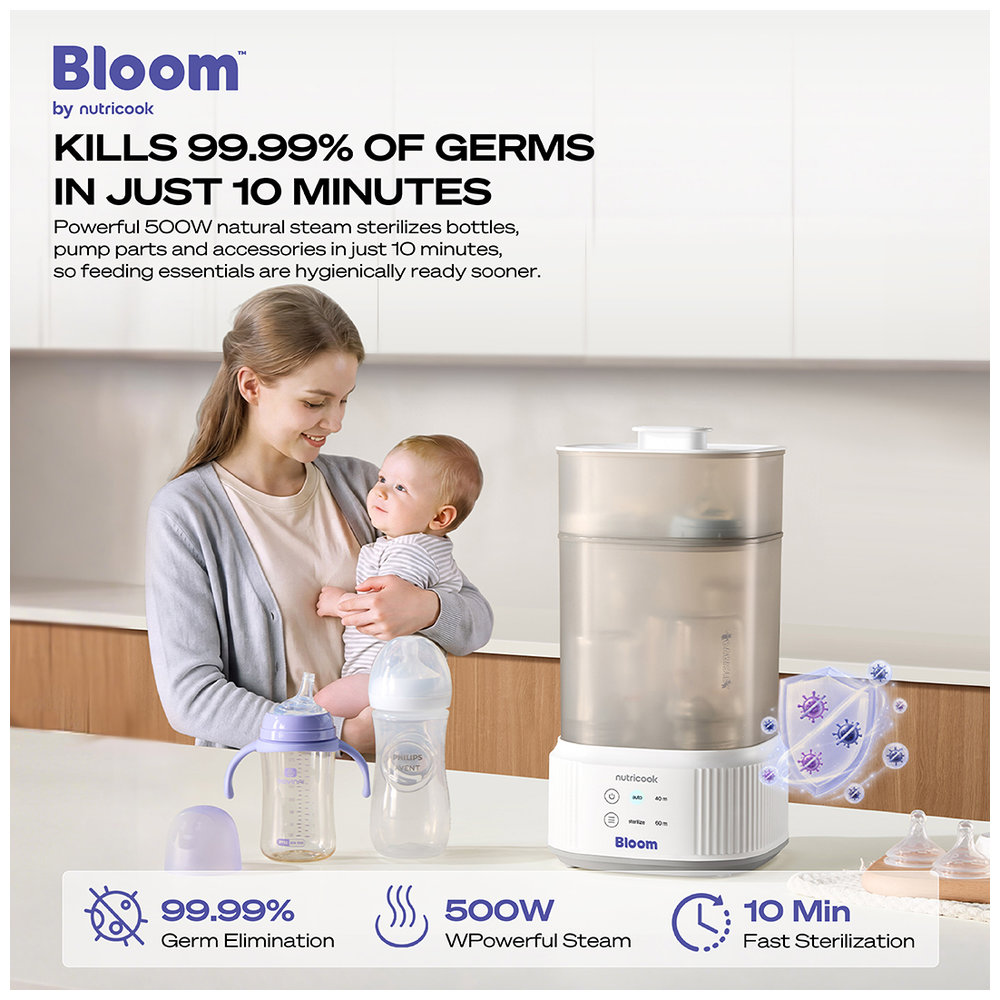
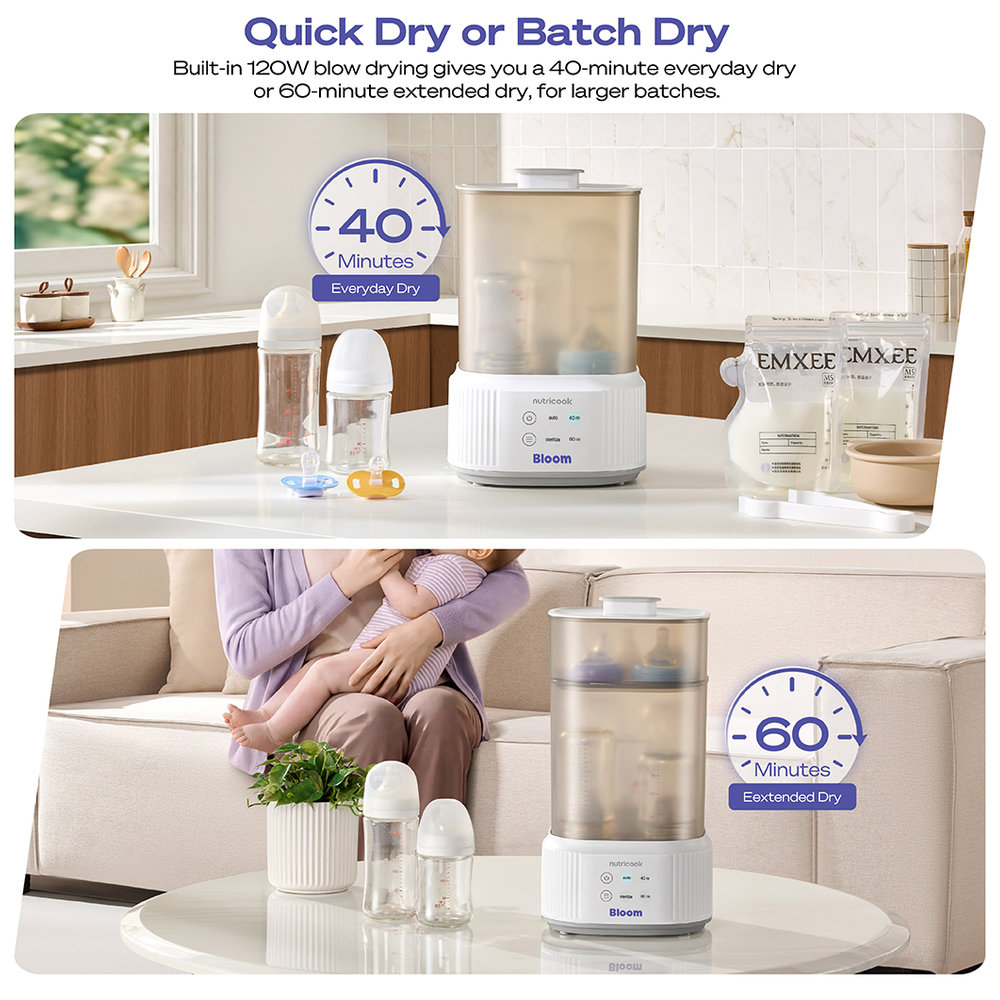
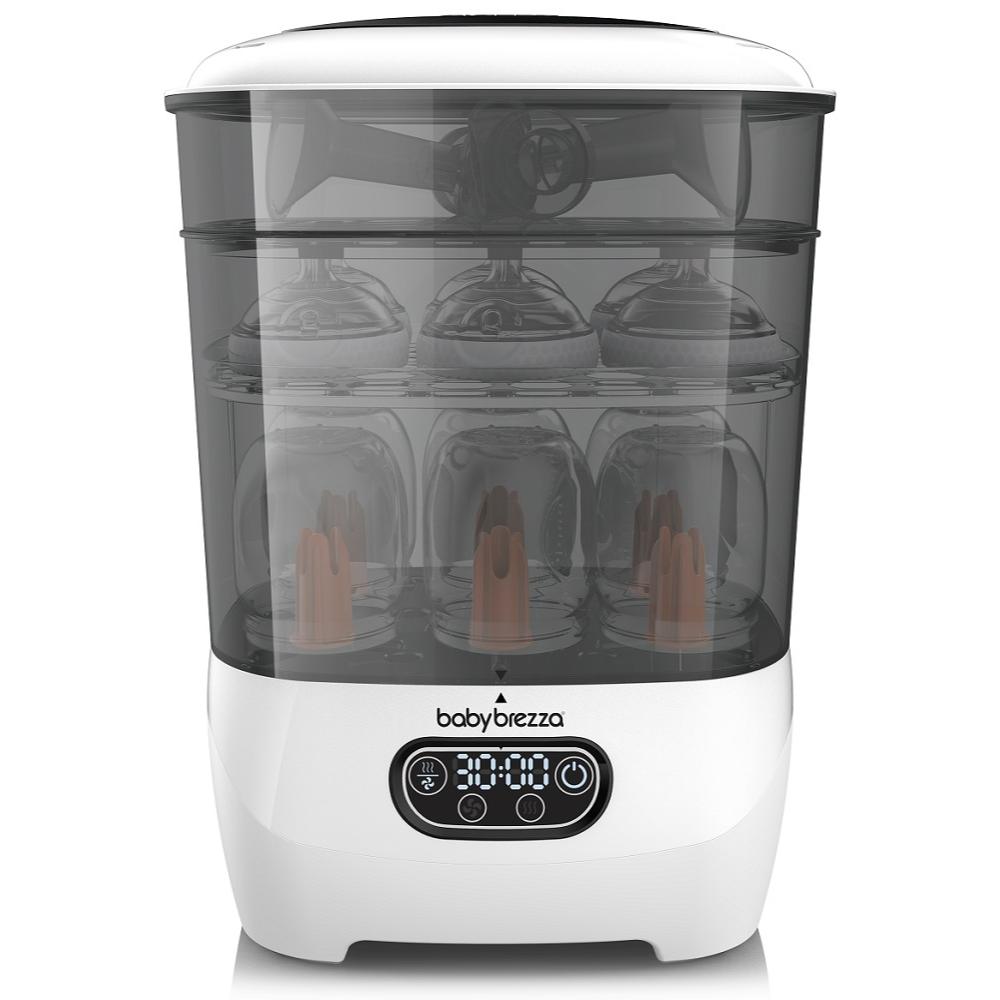
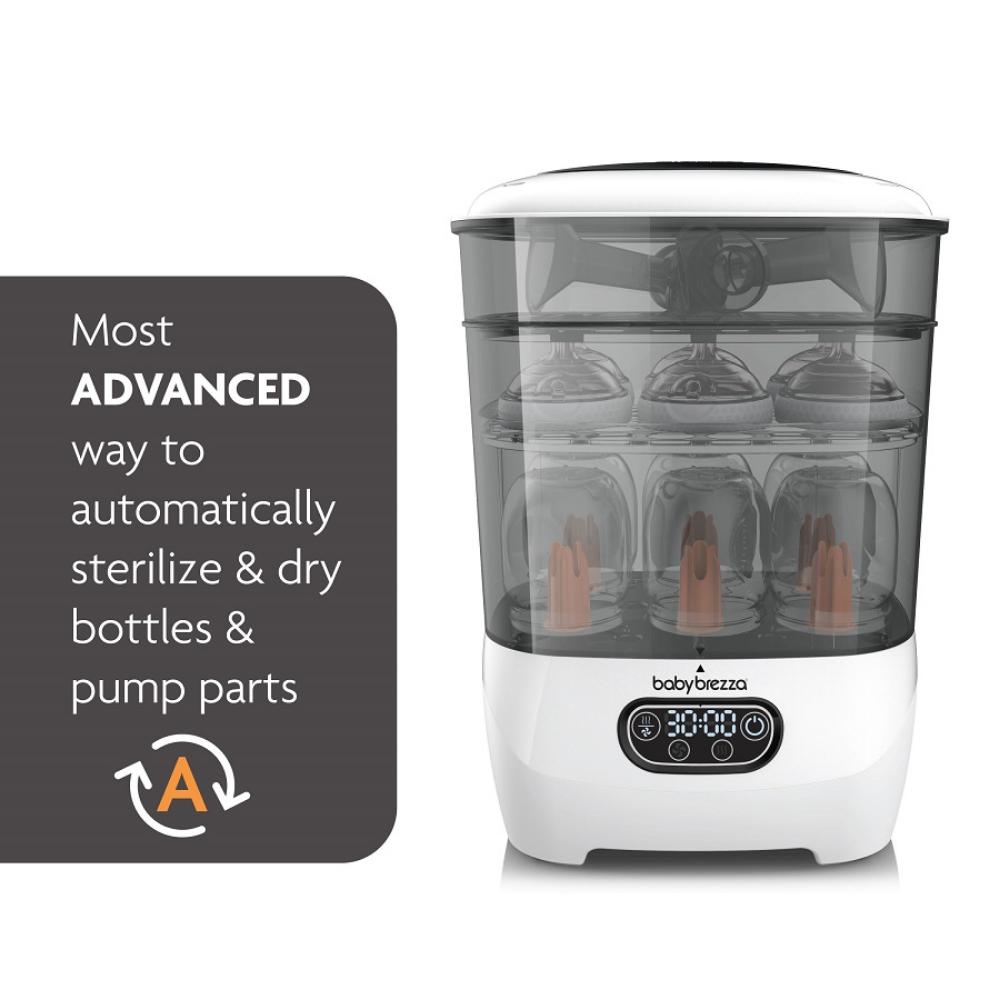
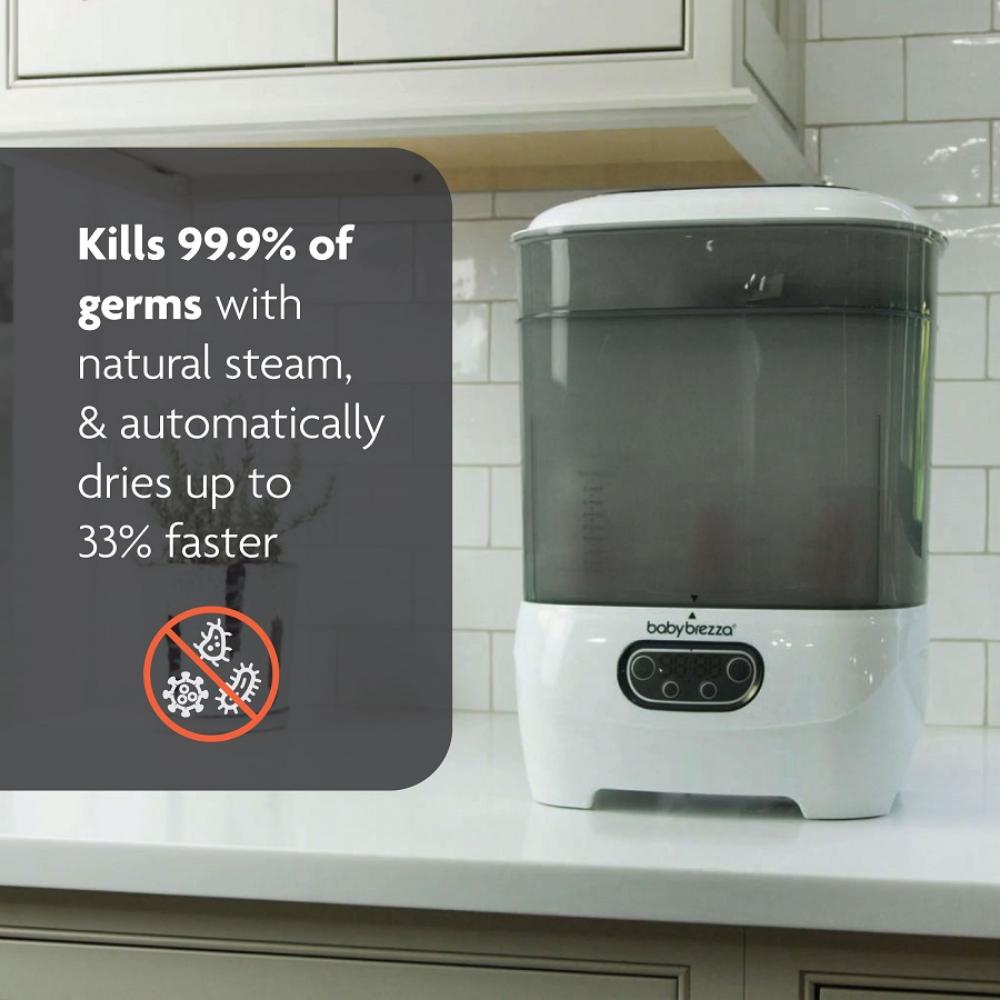
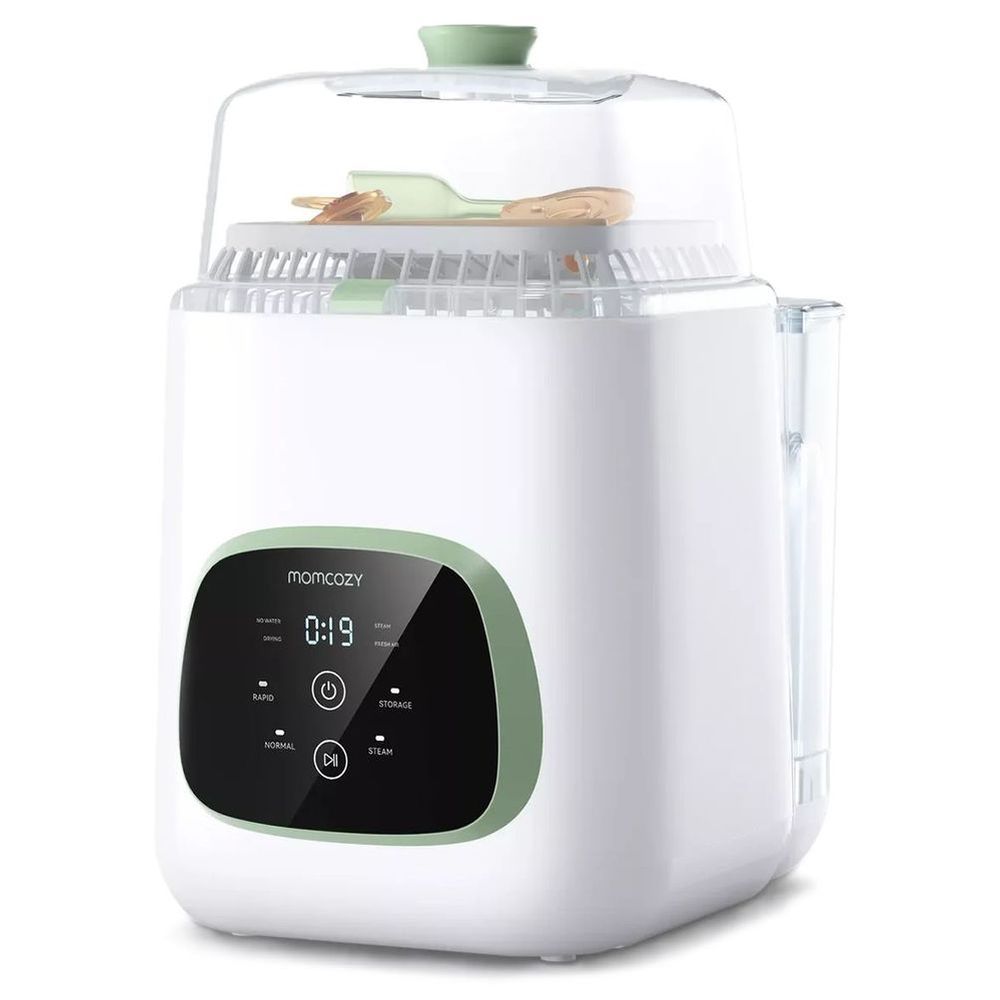
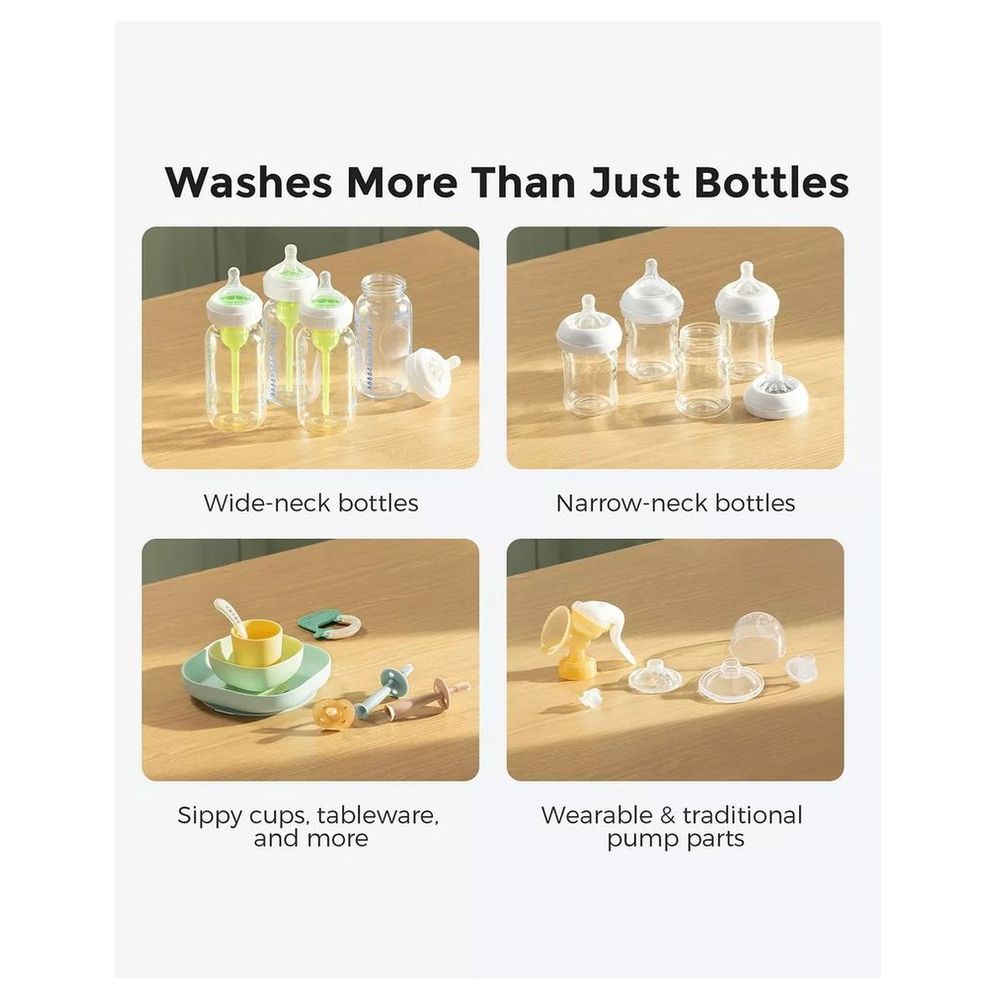
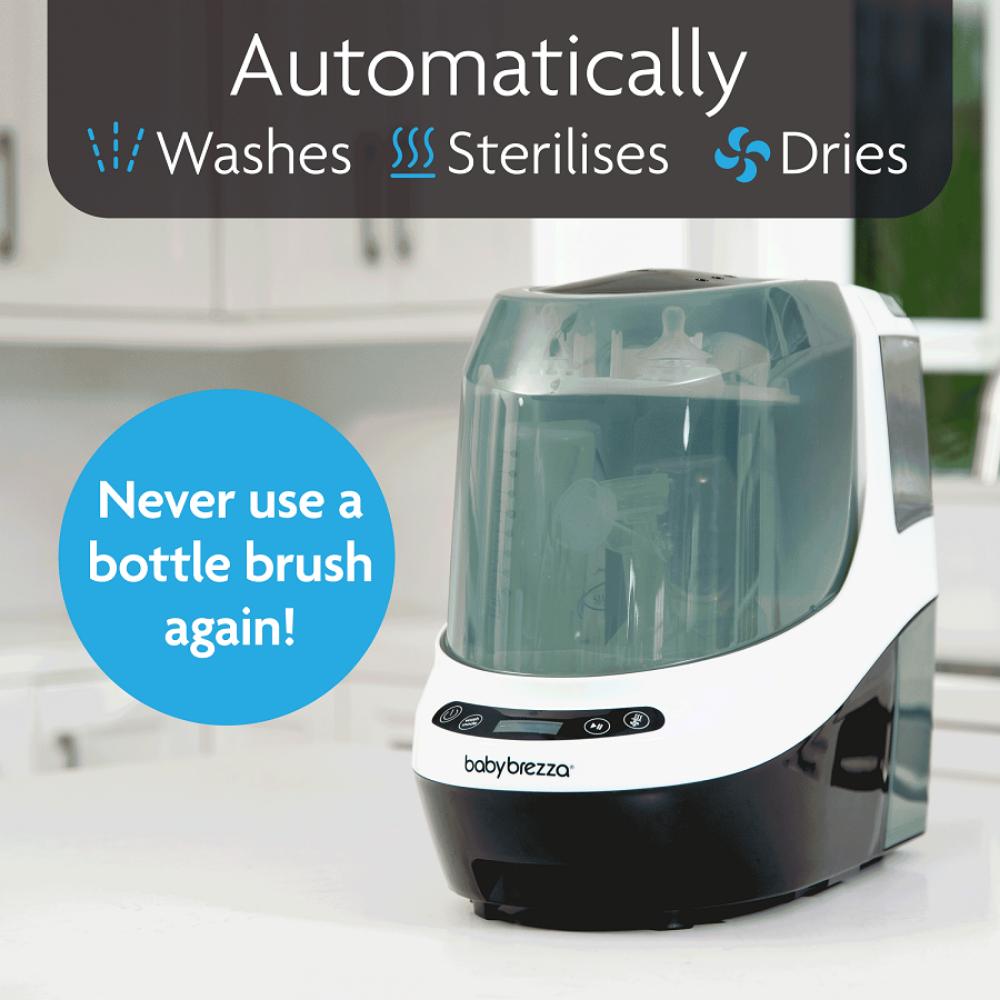
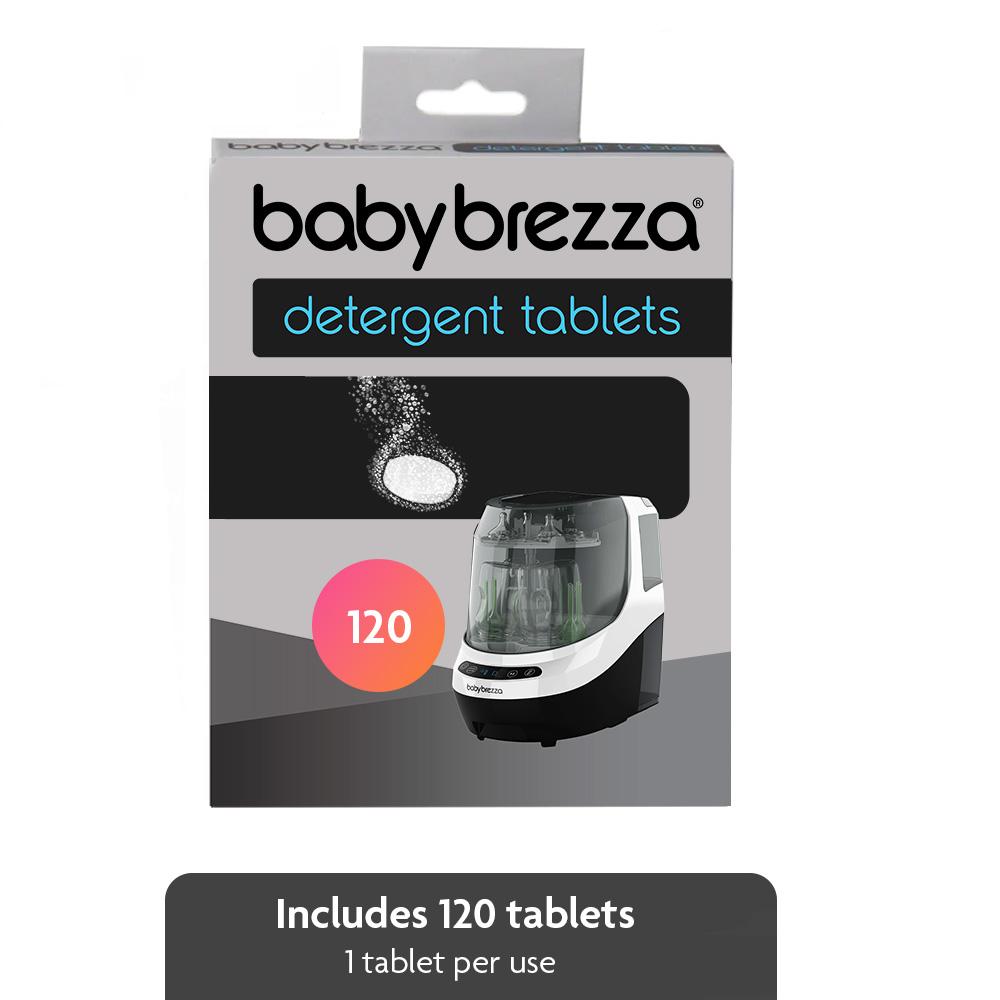
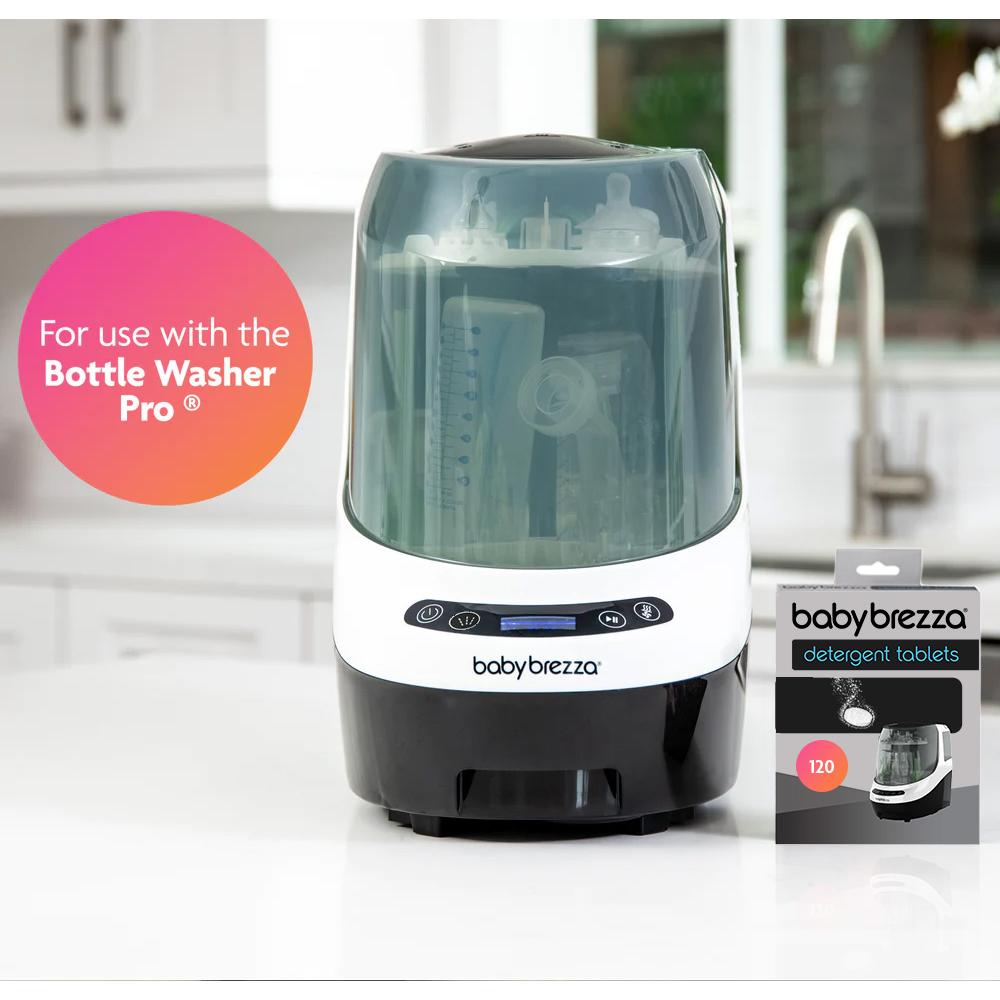
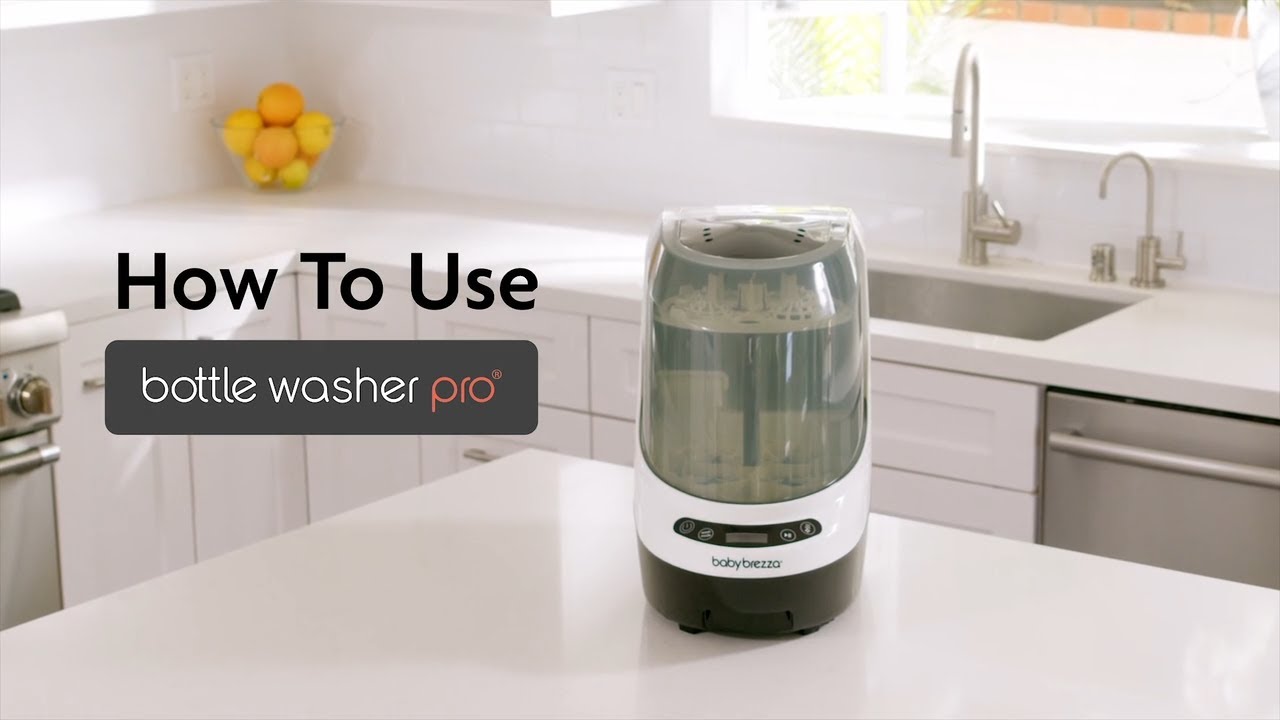
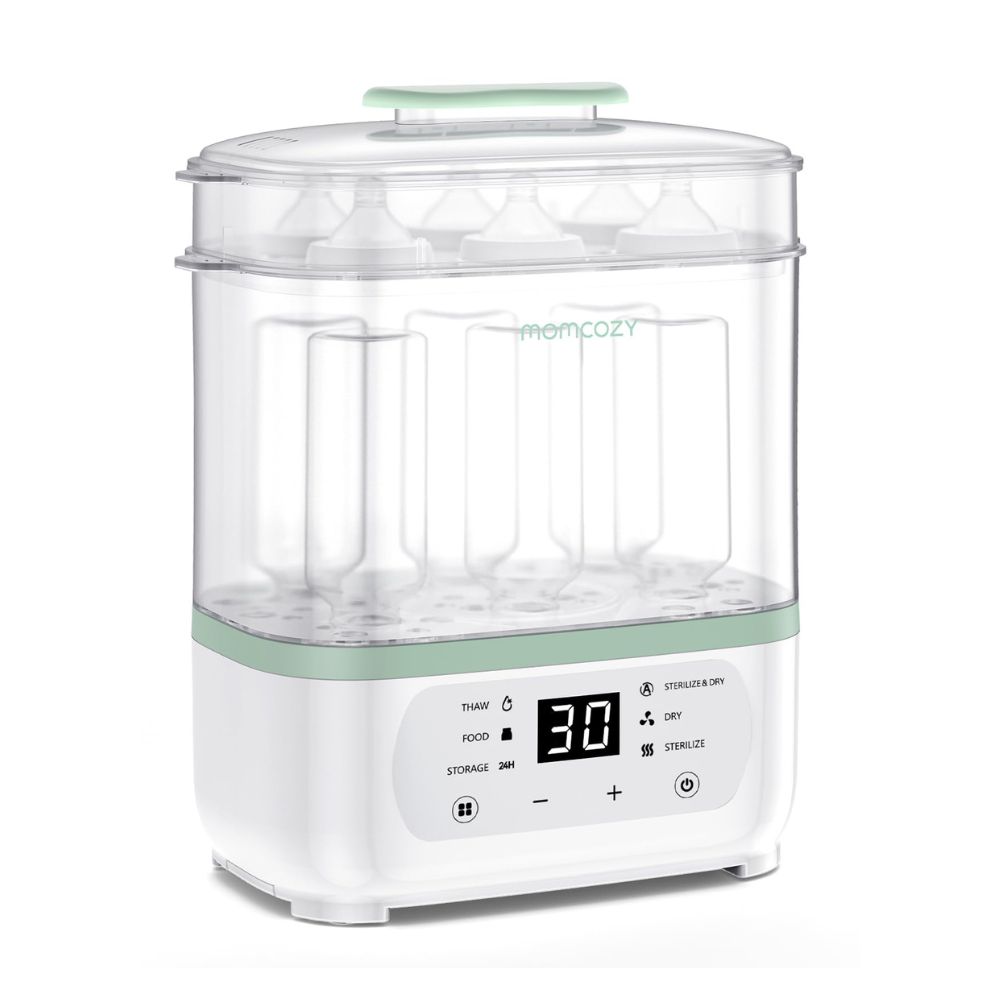
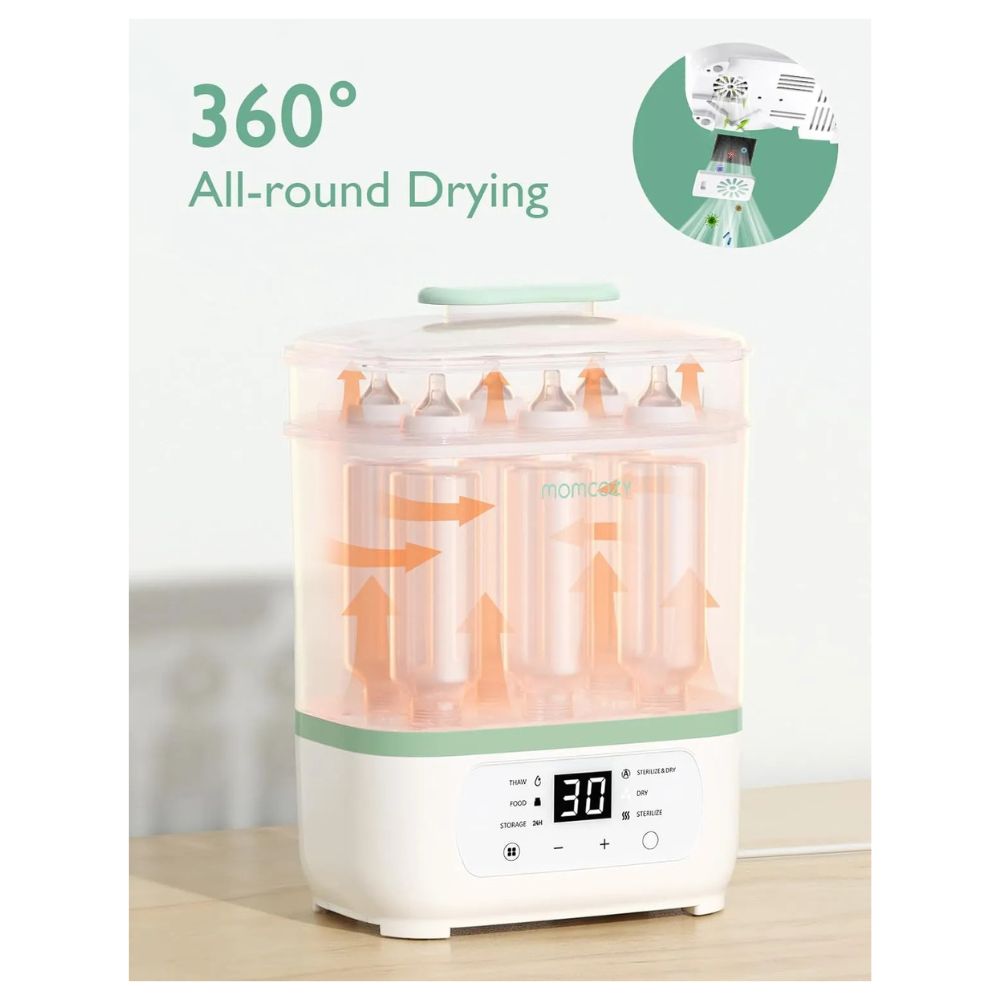
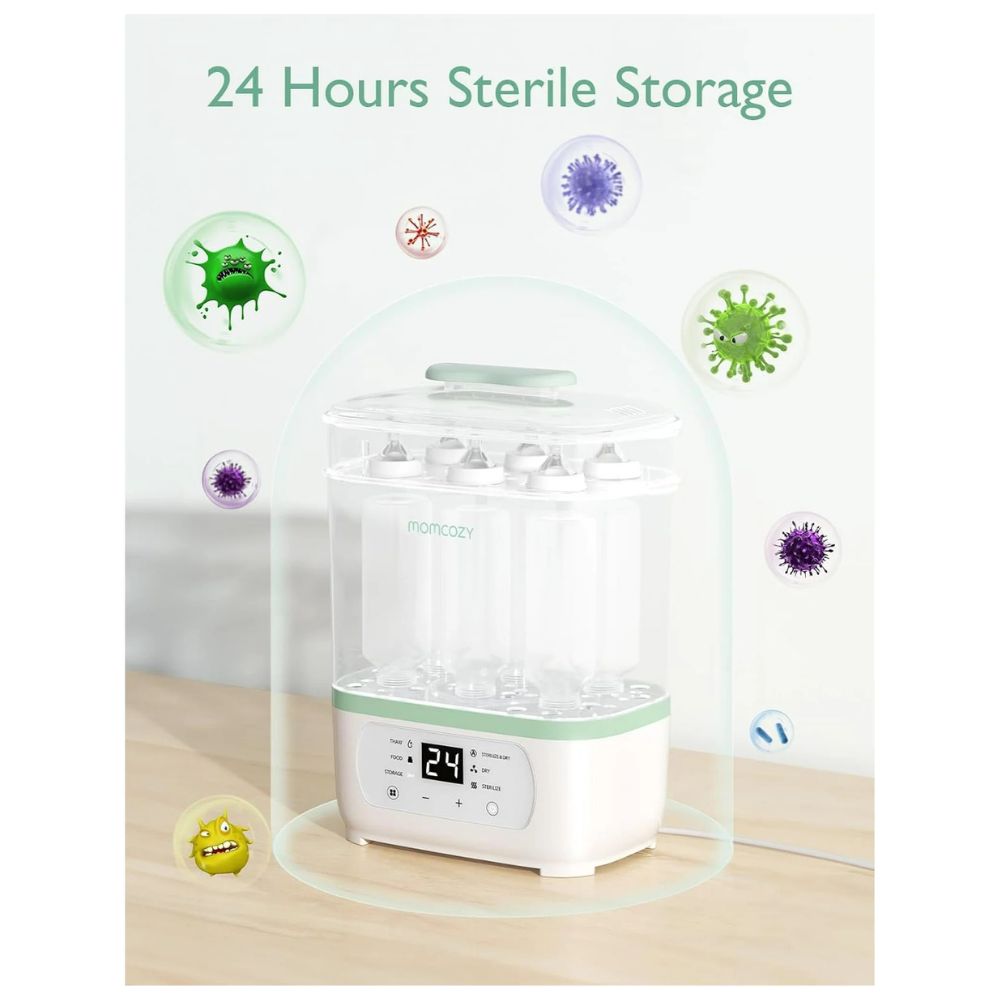
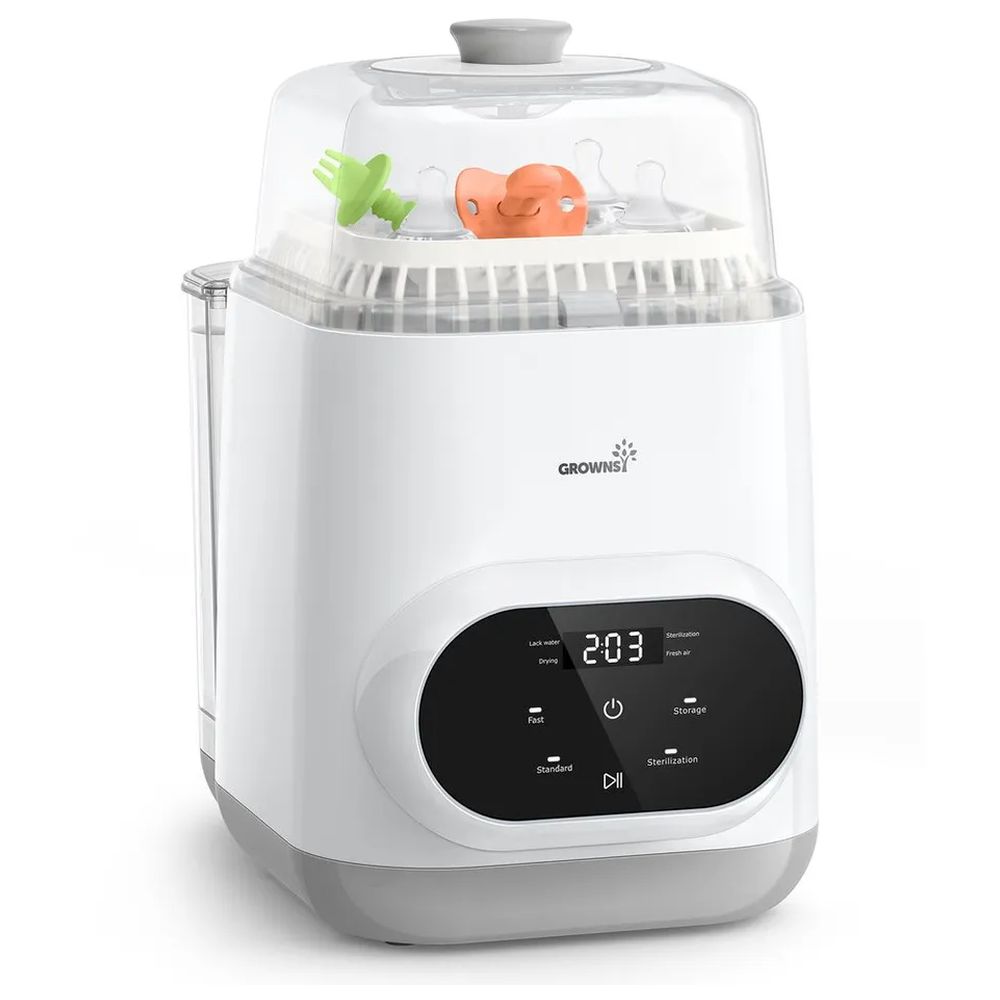
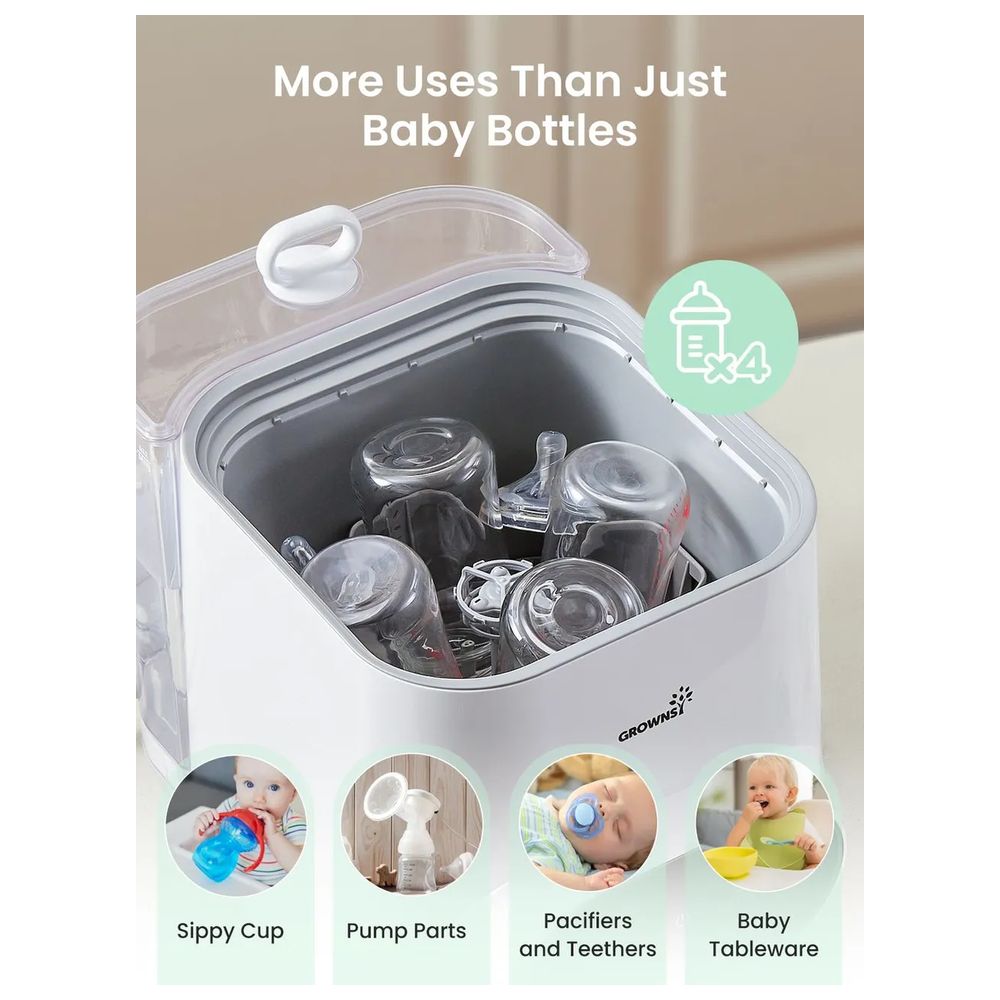
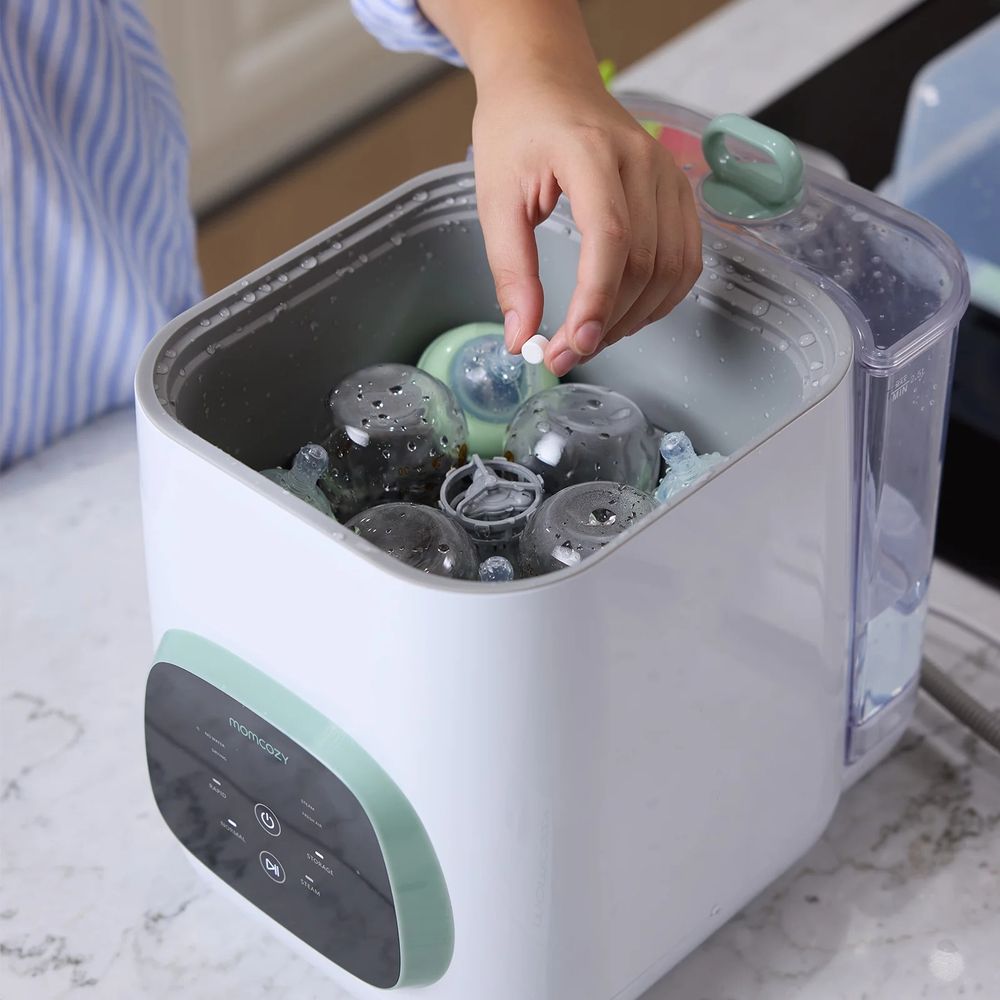
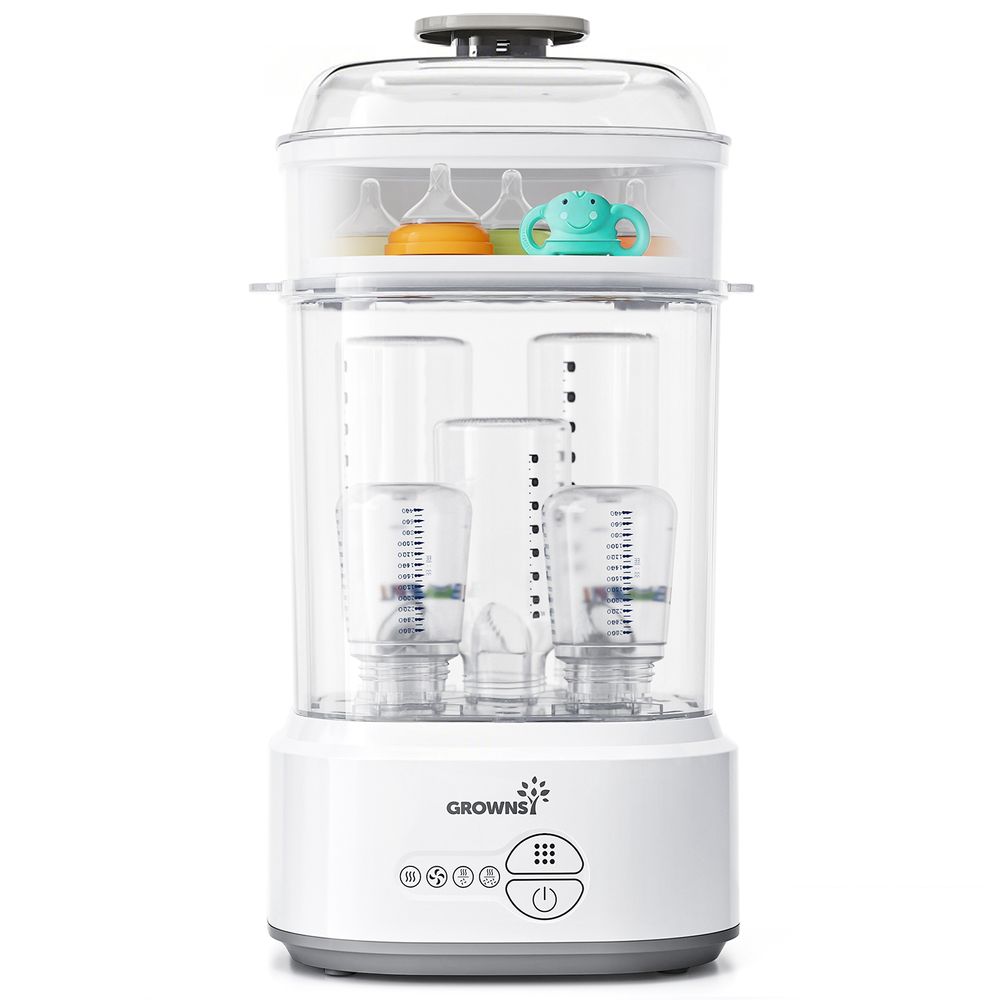
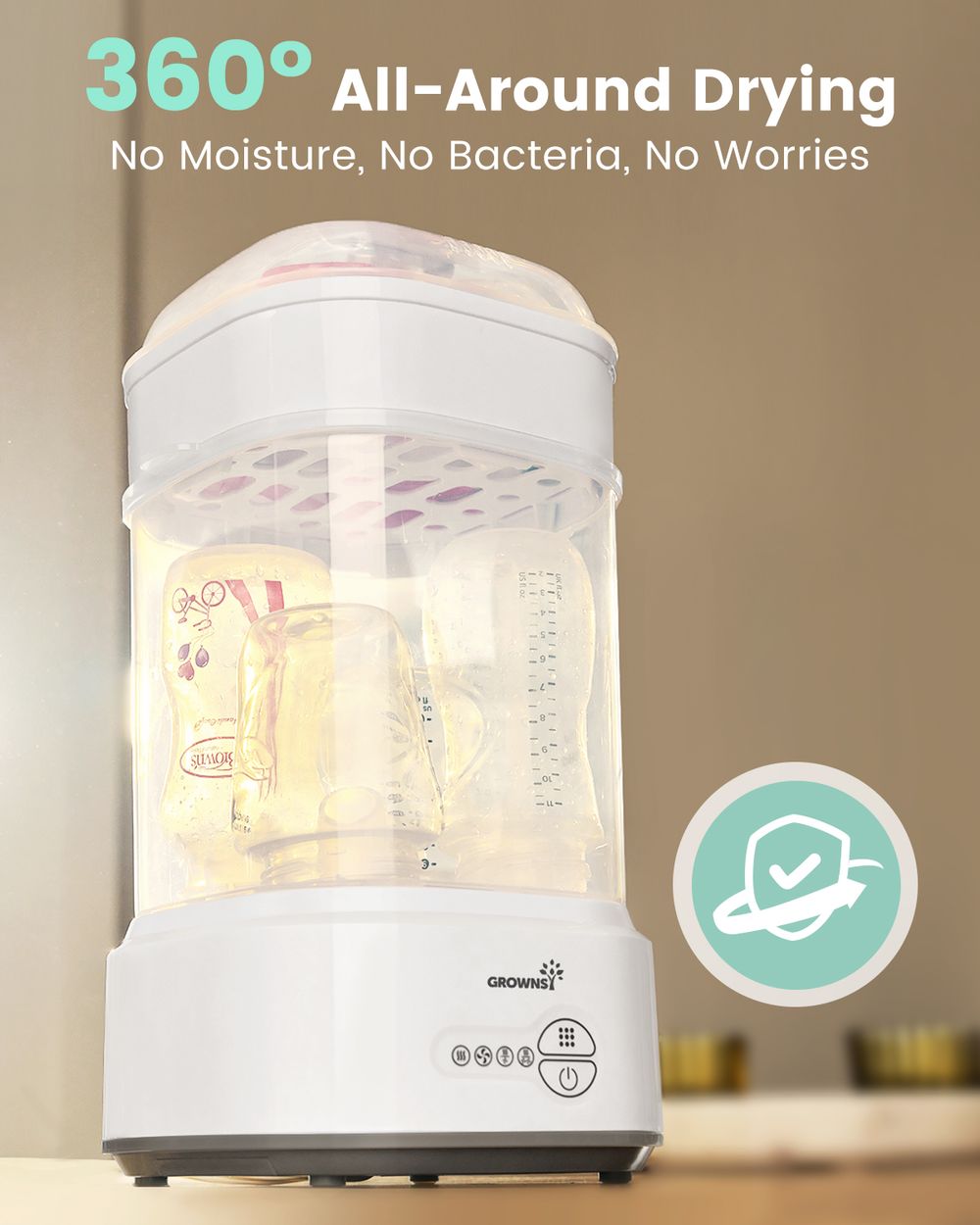
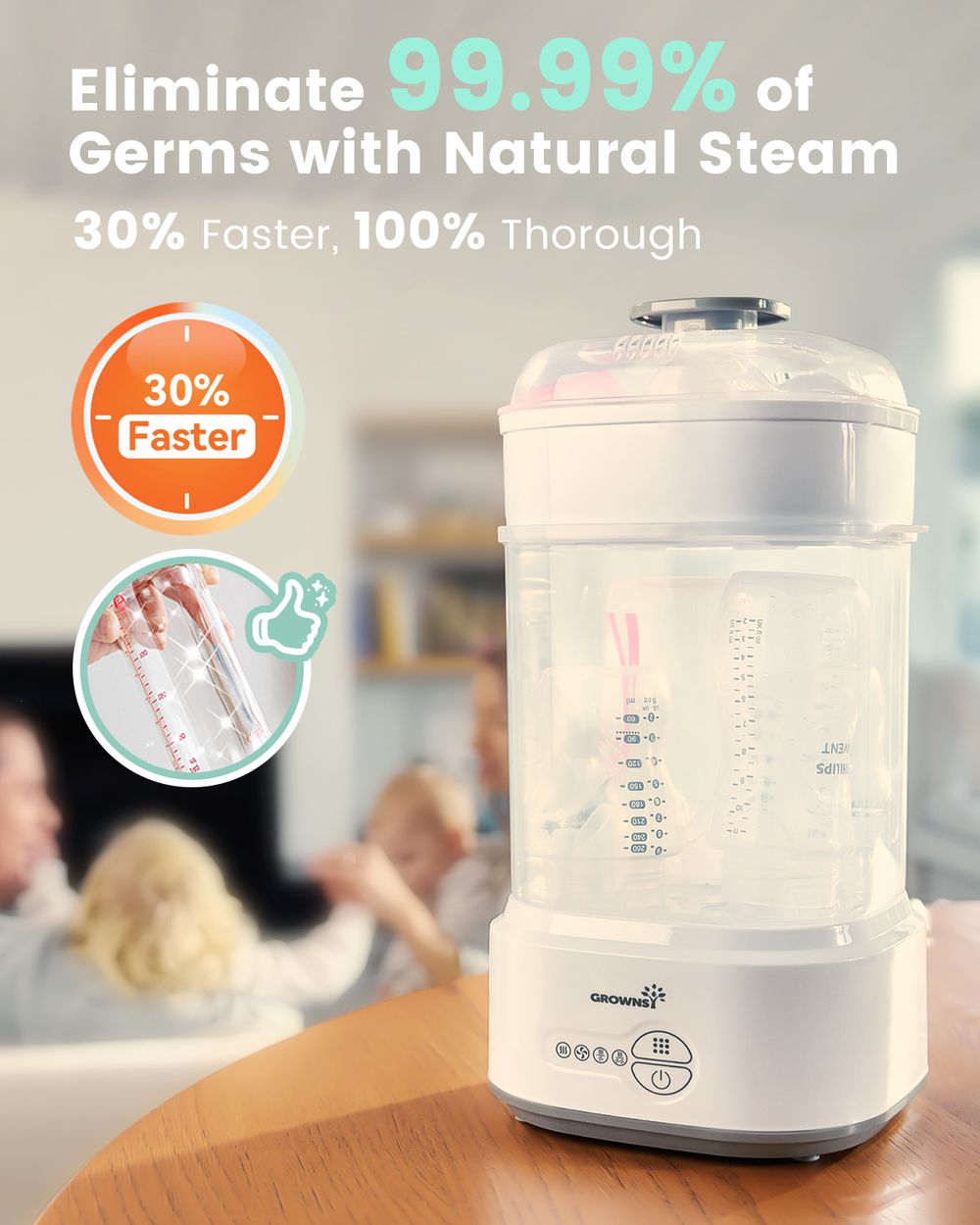
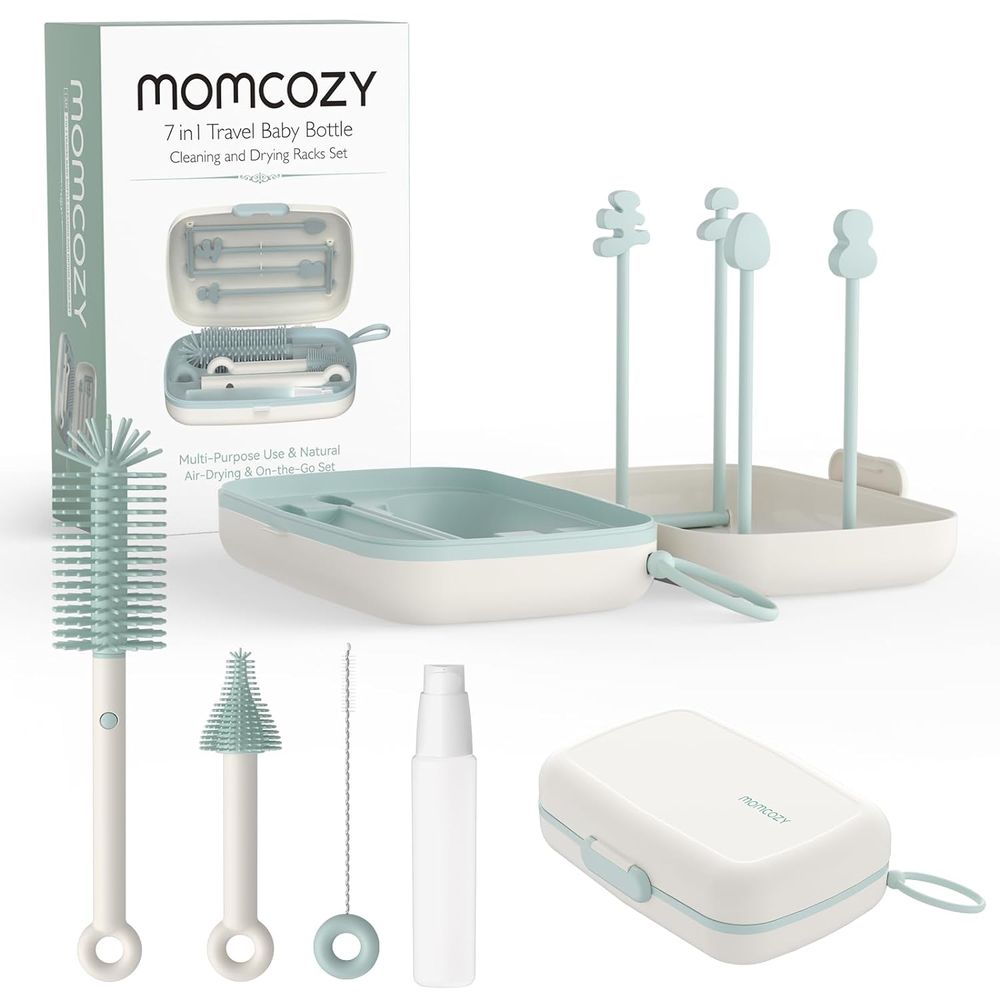
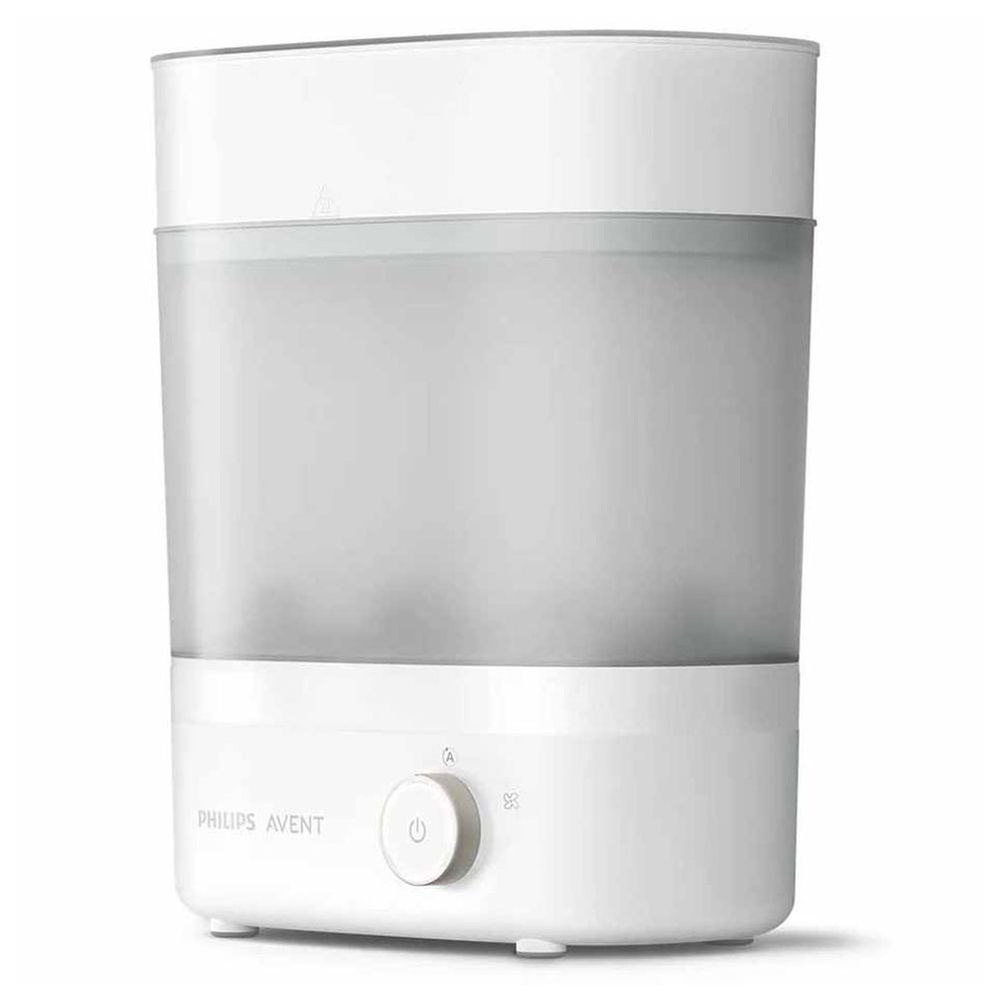
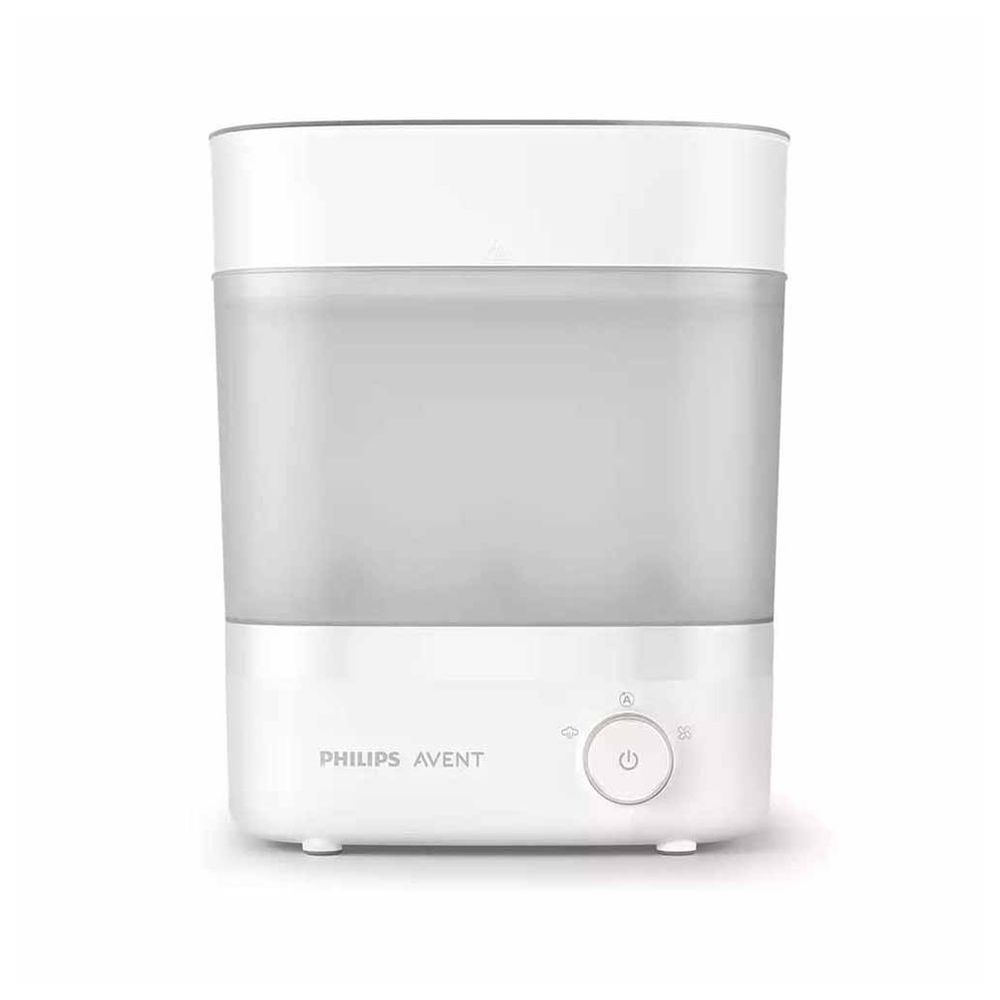
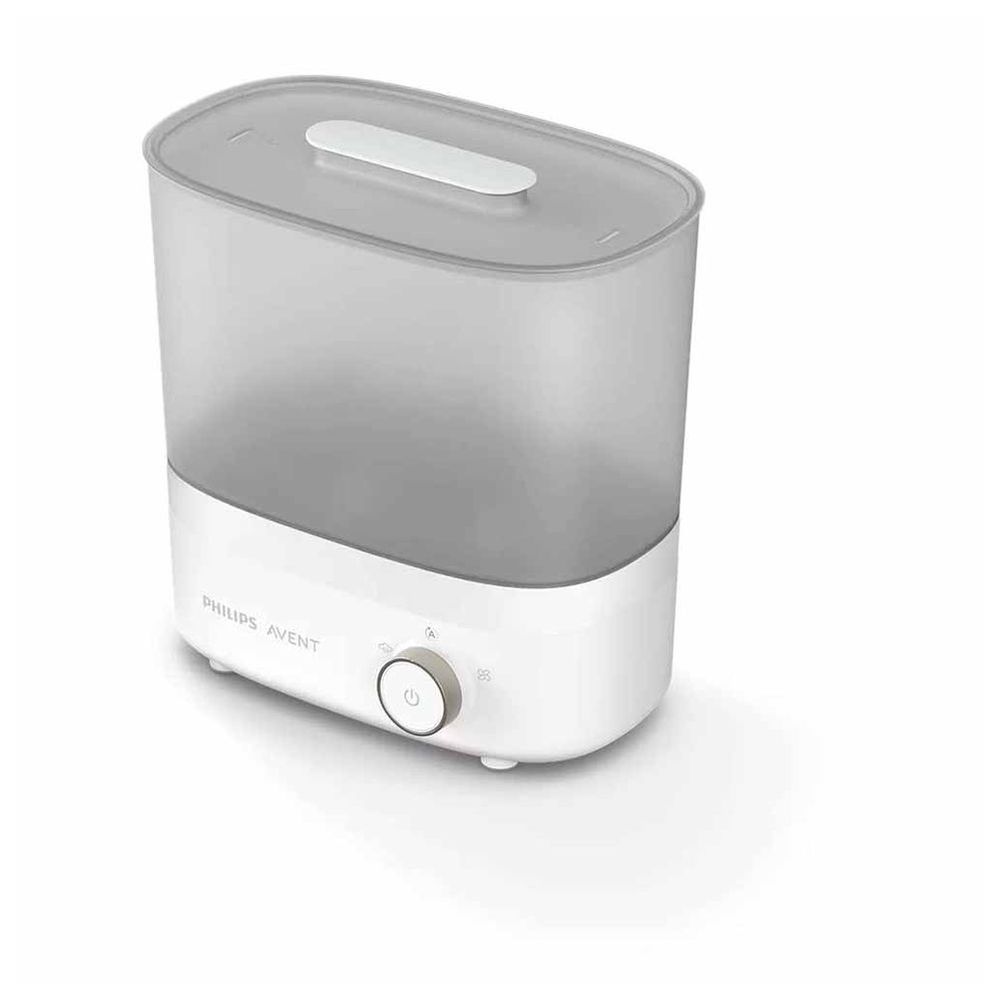
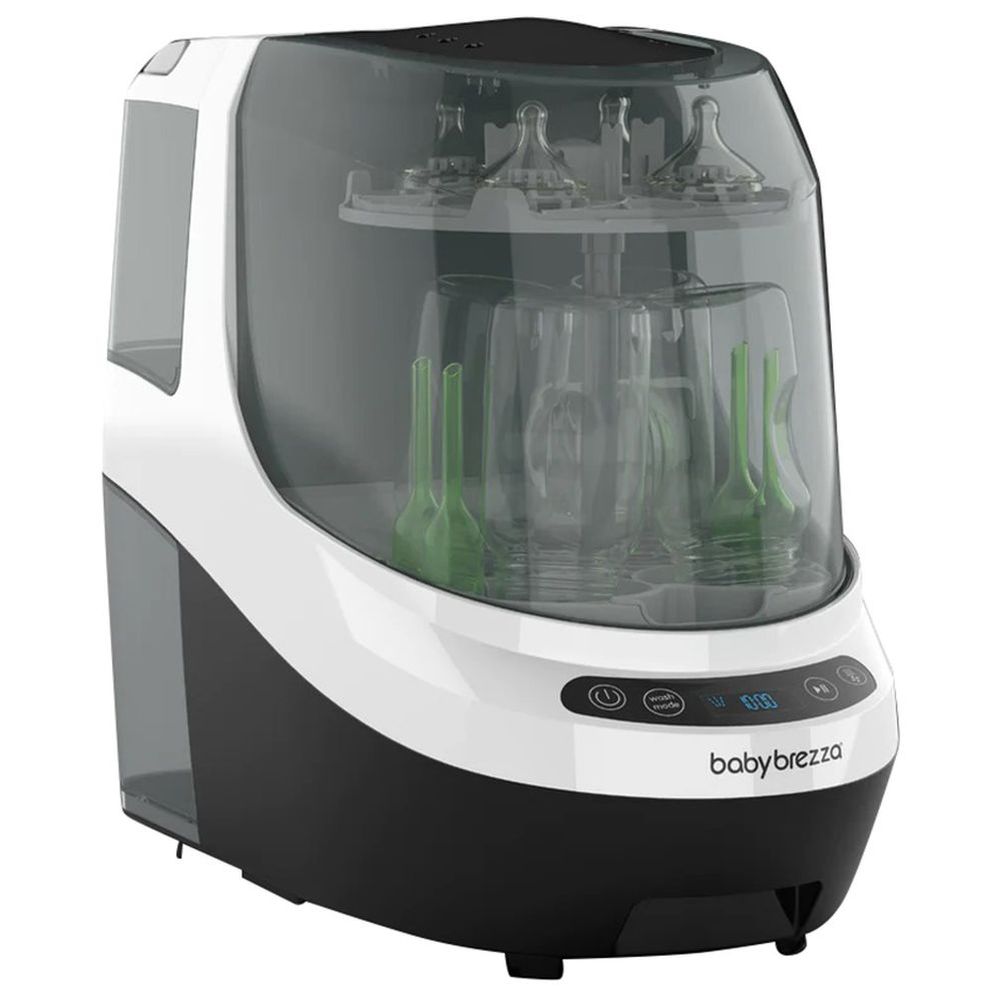
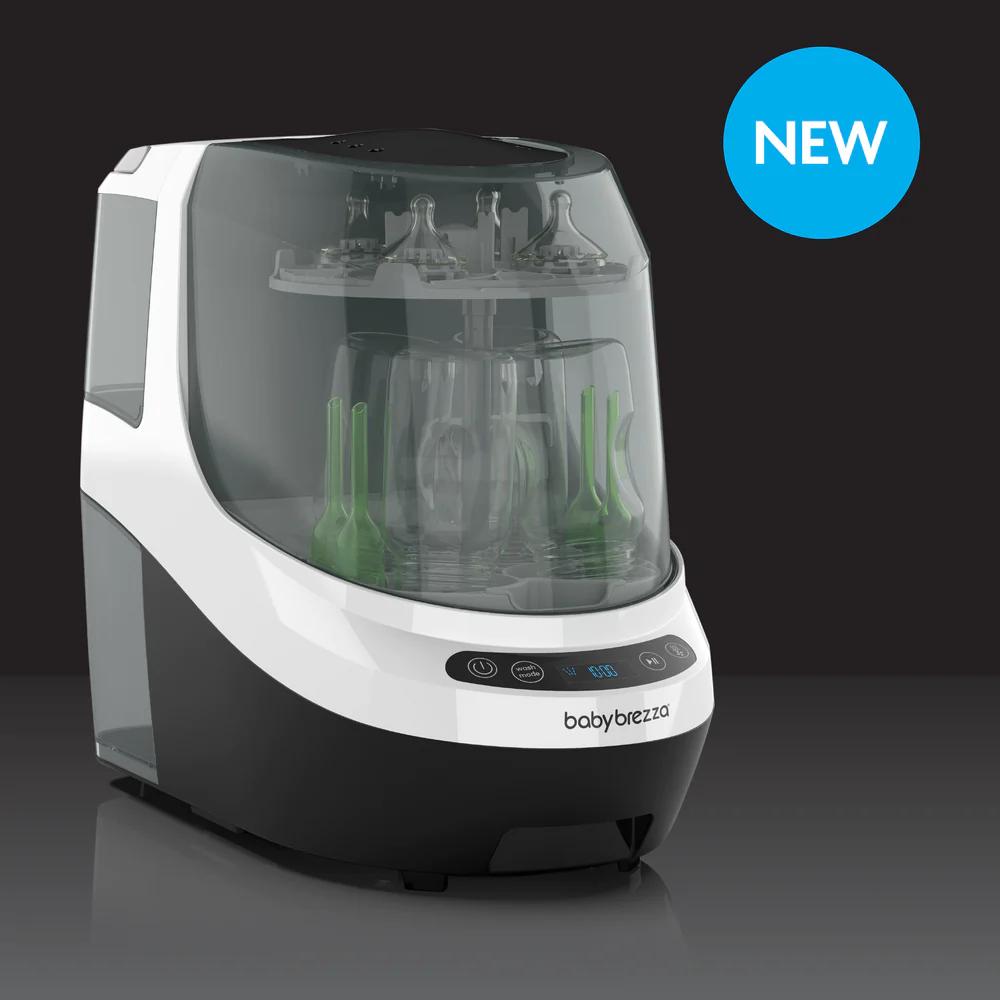
Sterilise Bottles and Accessories: It is vital to sterilise bottles and nipples before their first use and at least once daily for babies under 12 months. You can use various baby bottle sterilization methods, such as electric steam sterilisers, microwave bags, or the traditional boiling water method (boiling for 15 minutes).
•
Wash Your Hands: Always wash your hands thoroughly with soap and water for at least 20 seconds before handling any feeding equipment or preparing infant formula.
•
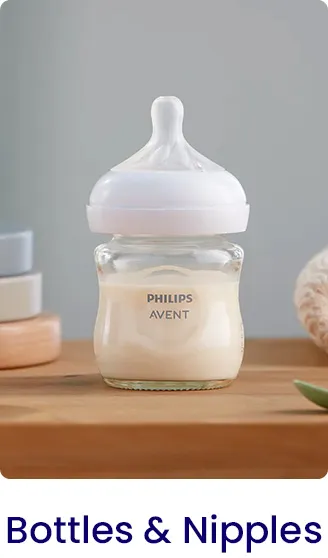
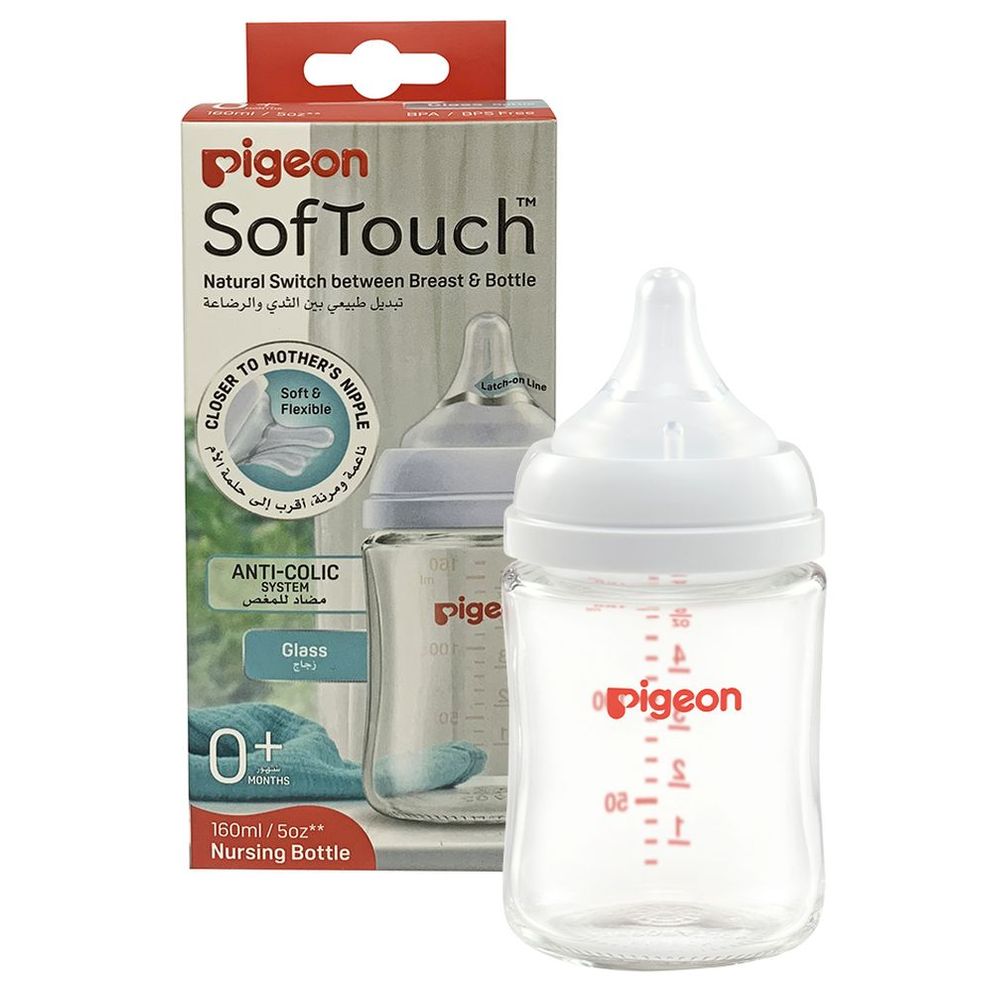
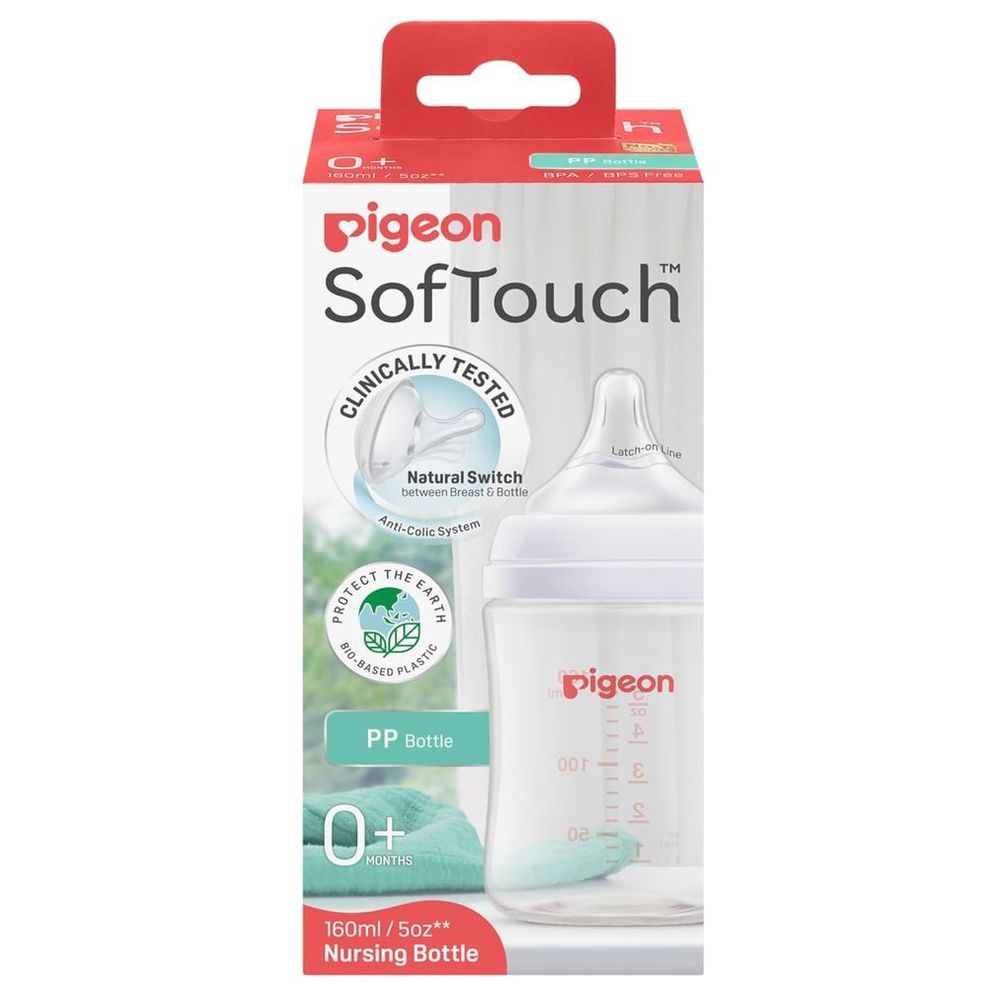
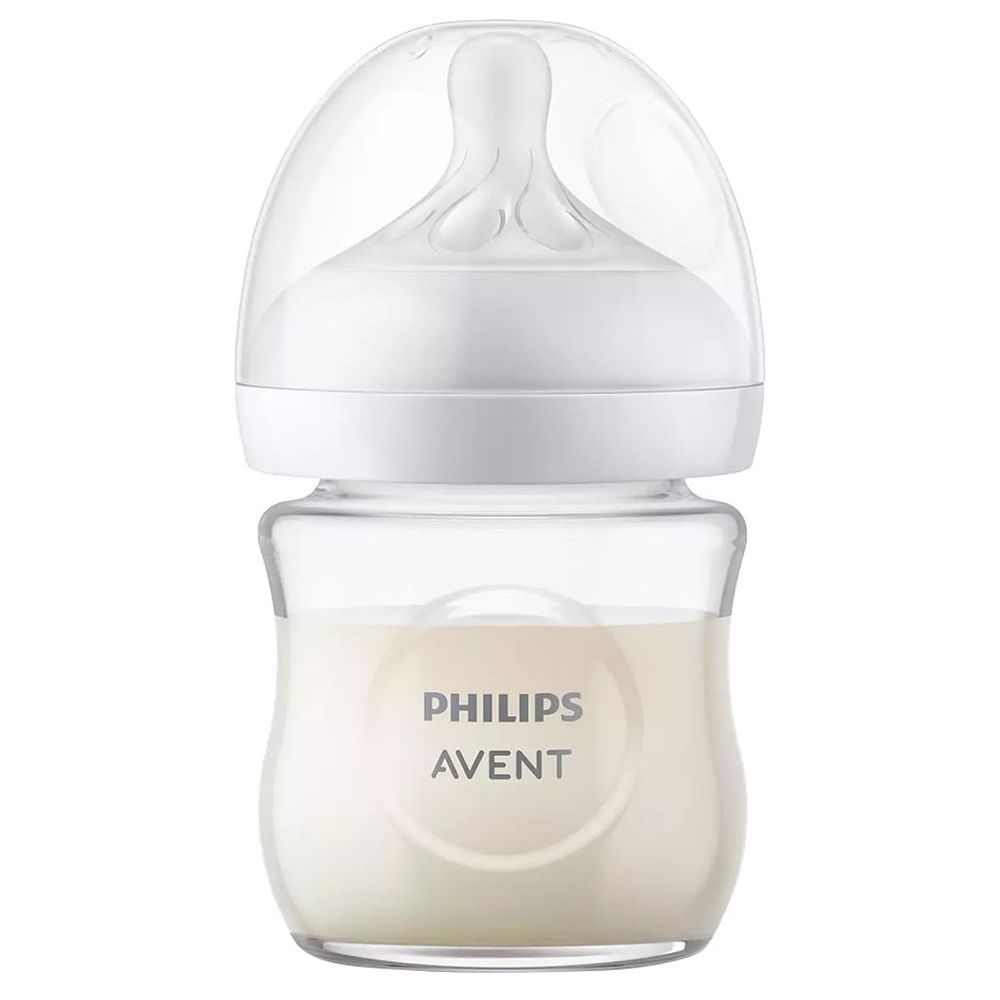
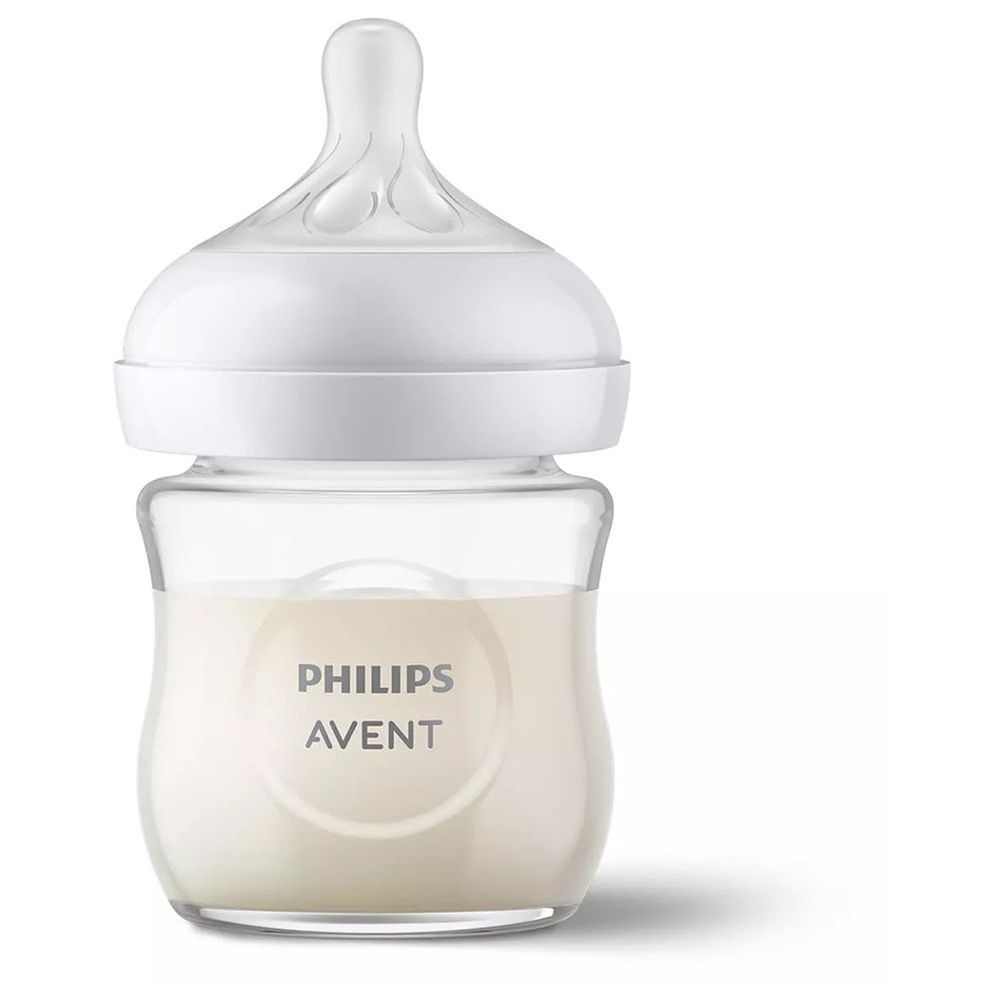
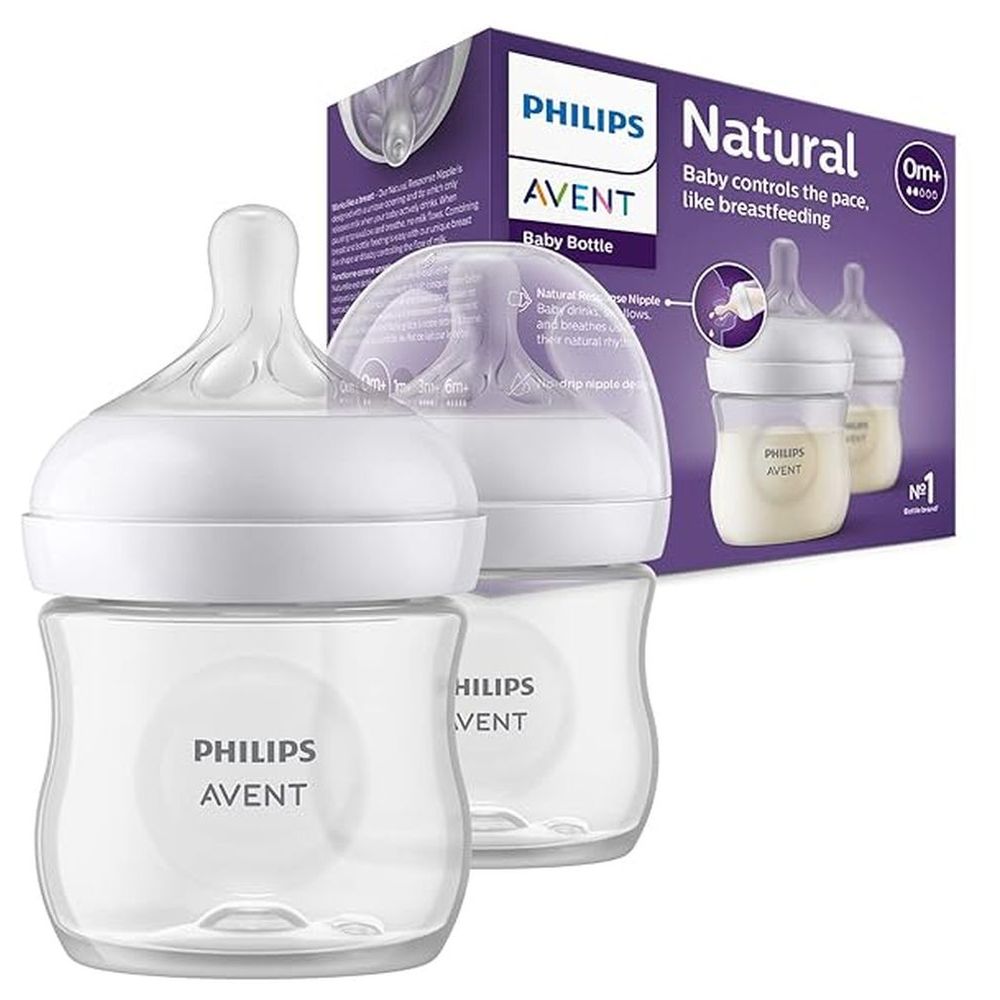
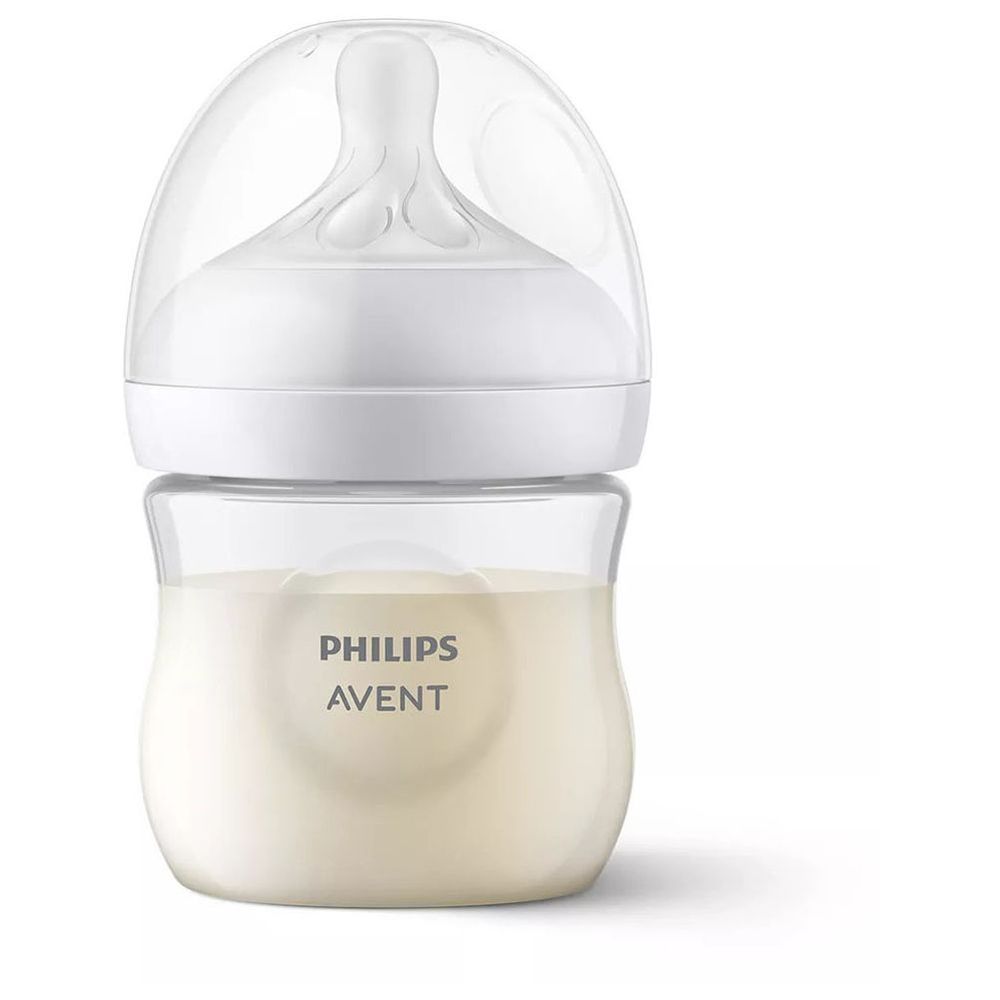
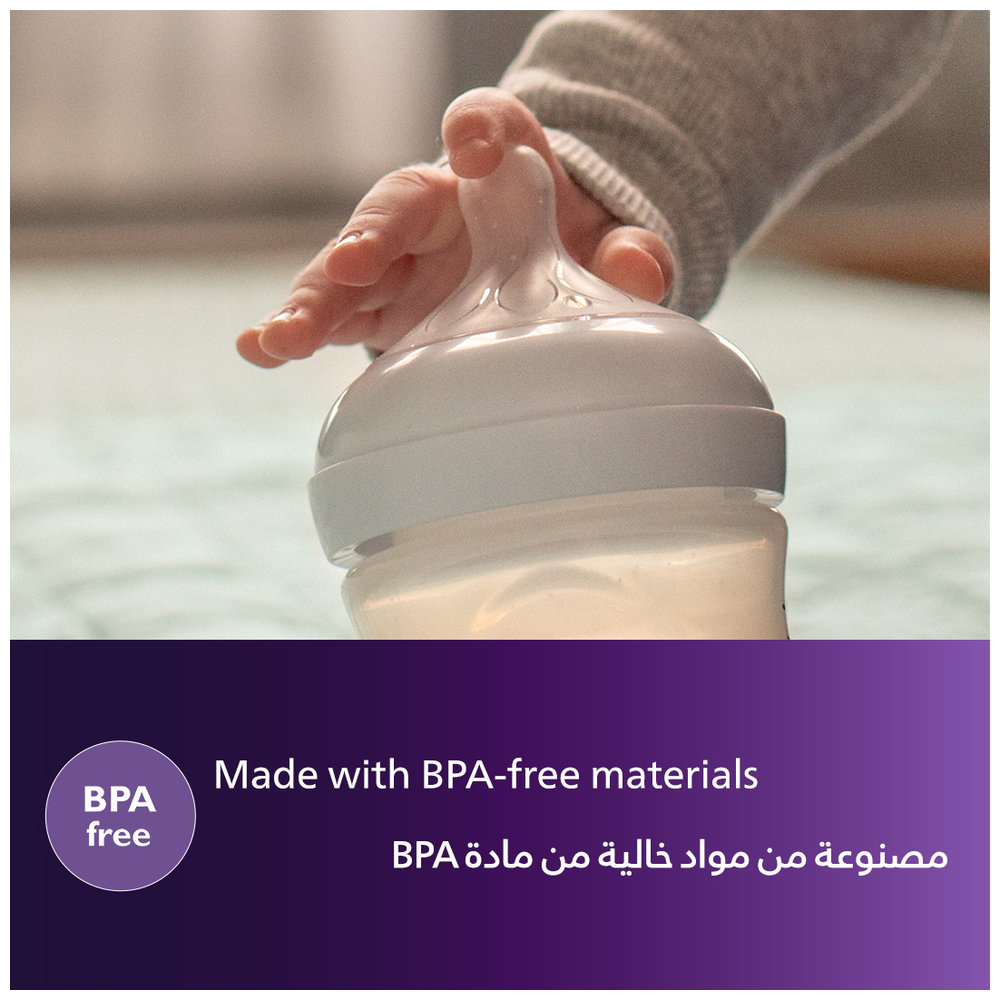
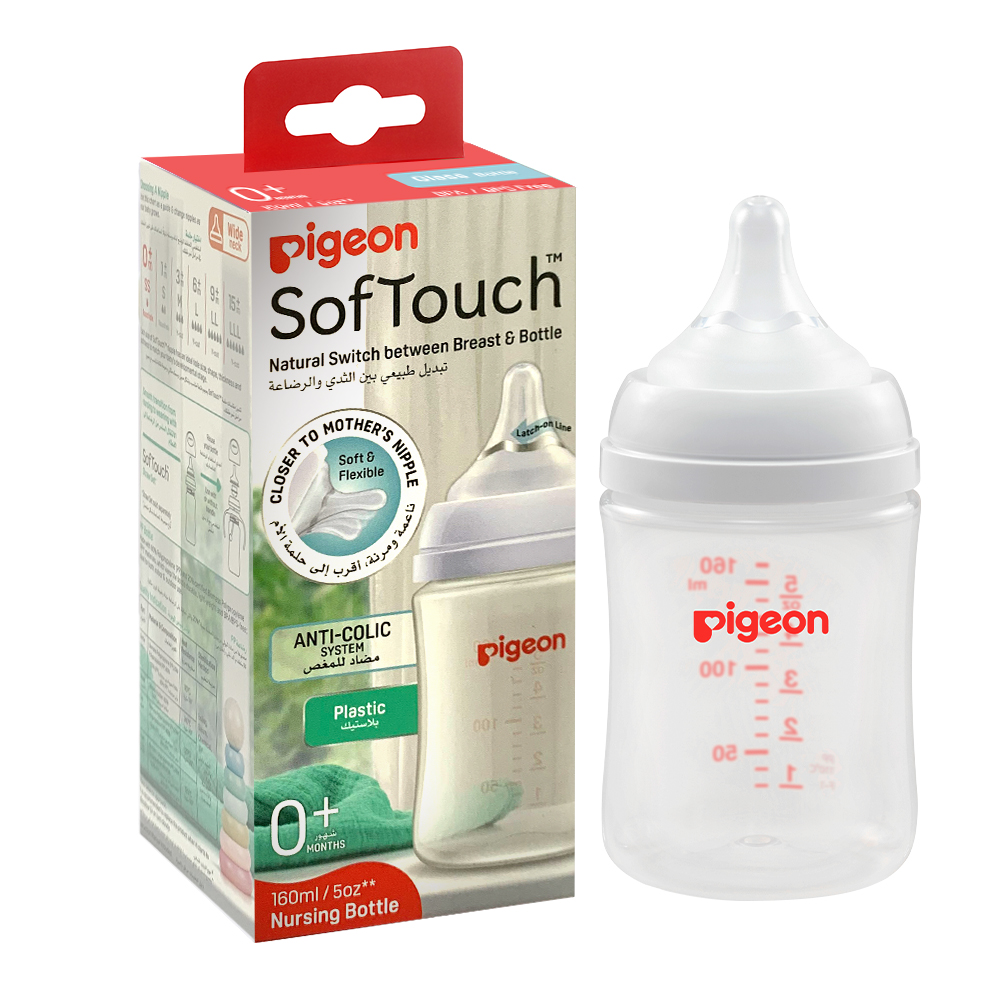
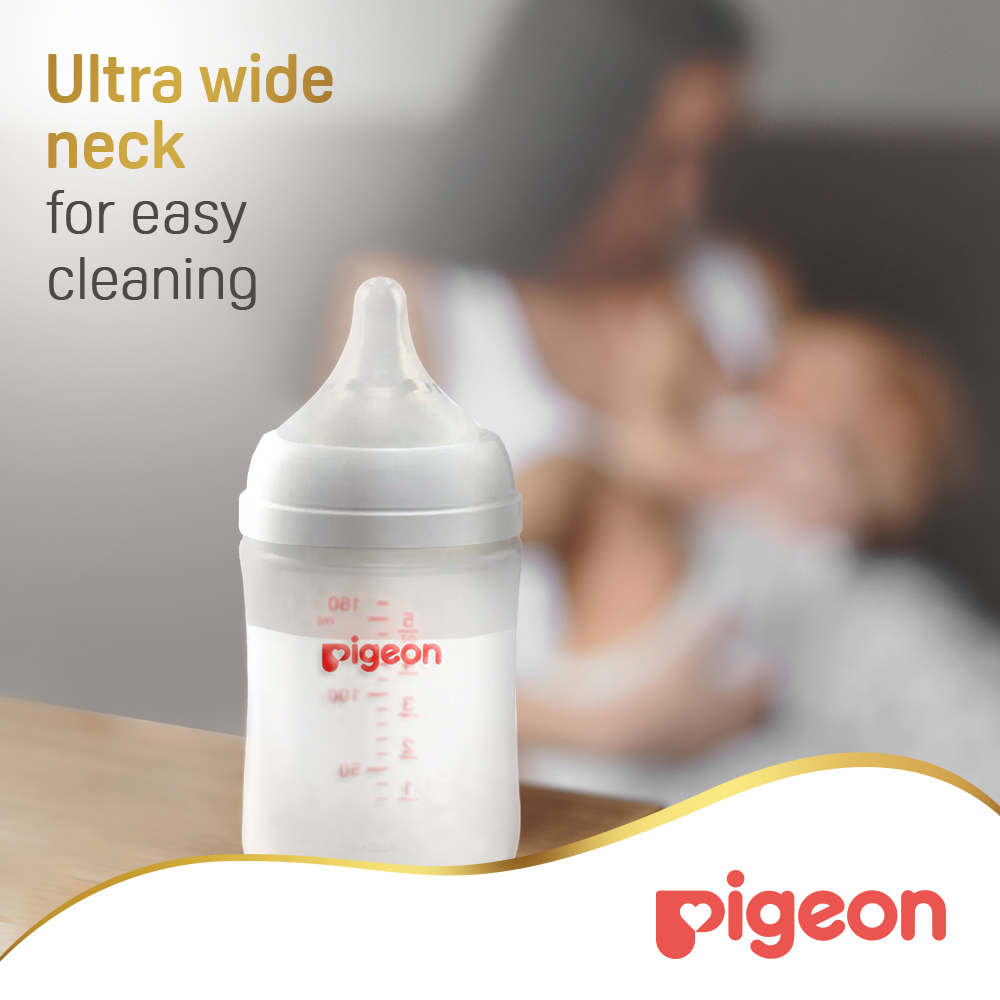
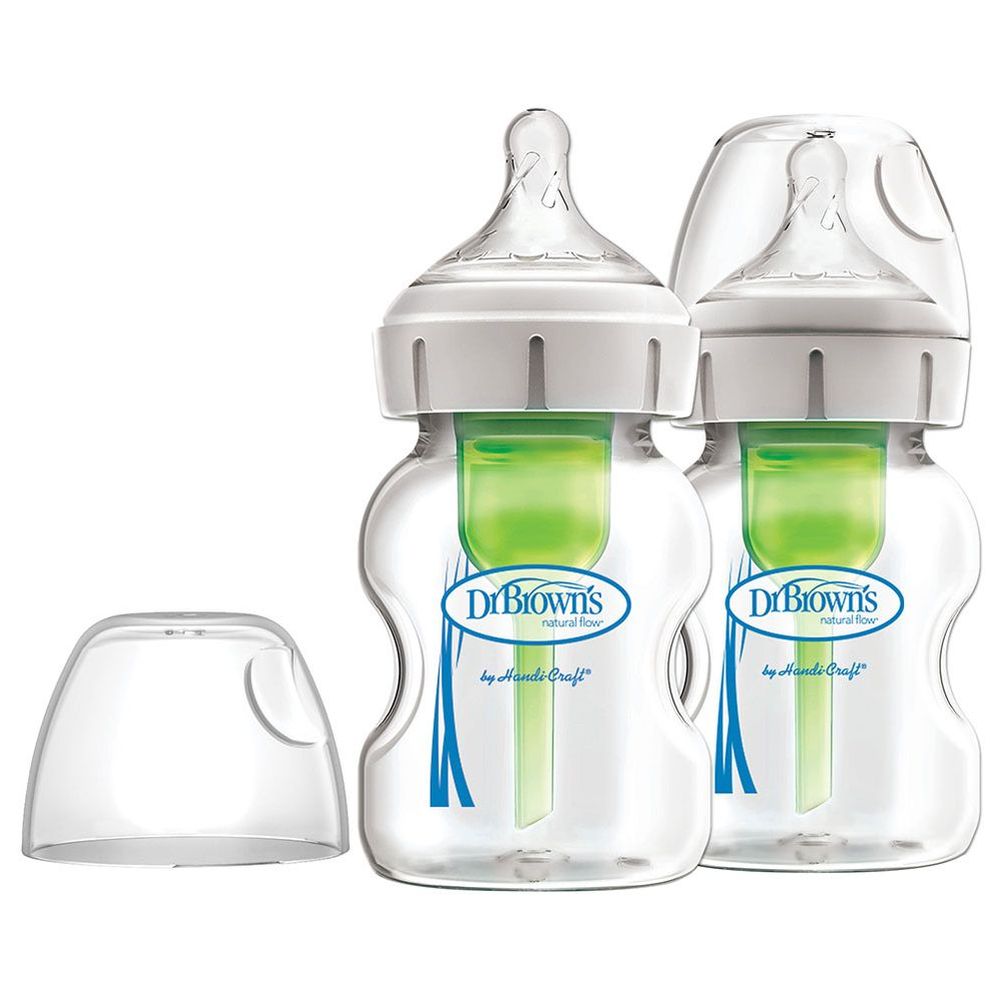
Choosing the Material: You may find yourself debating glass vs. plastic baby bottles. While glass is durable and easy to clean, many parents prefer BPA-free bottle feeding supplies made of lightweight plastic or silicone baby bottles and nipples for their durability and soft feel.
•
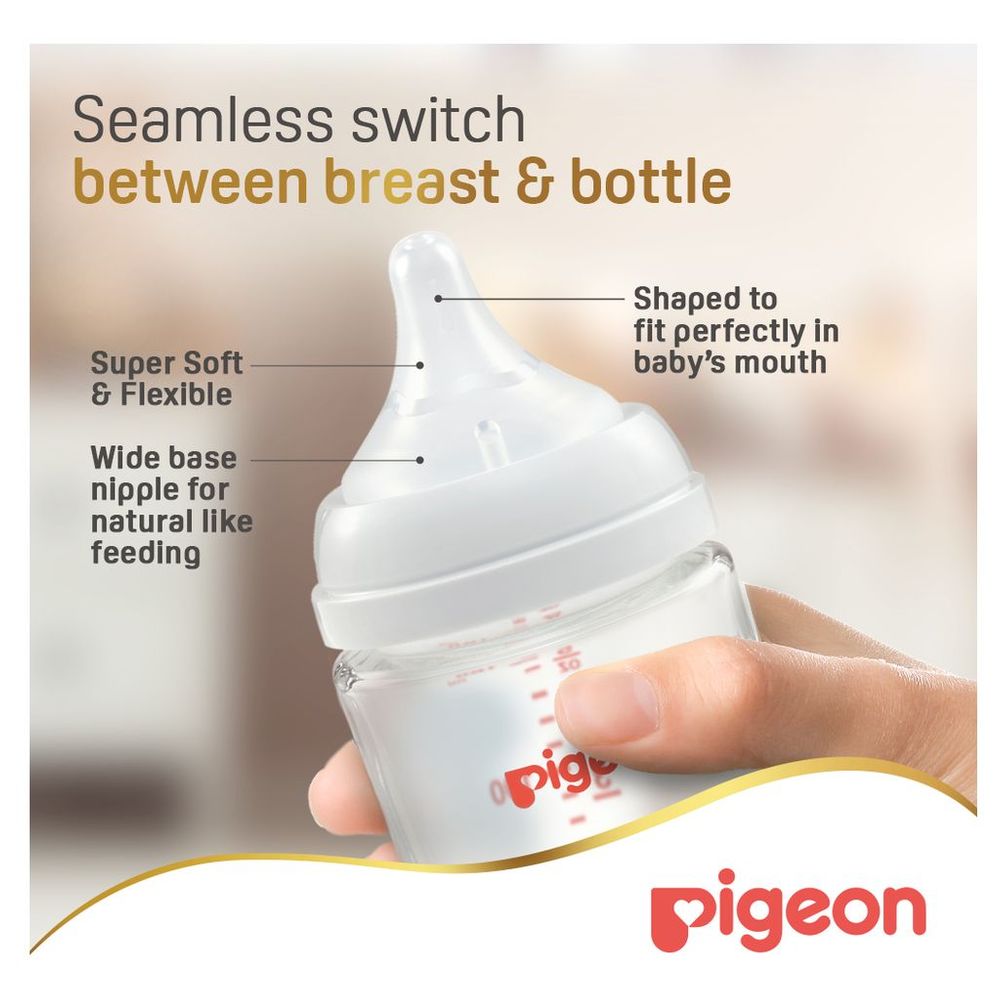
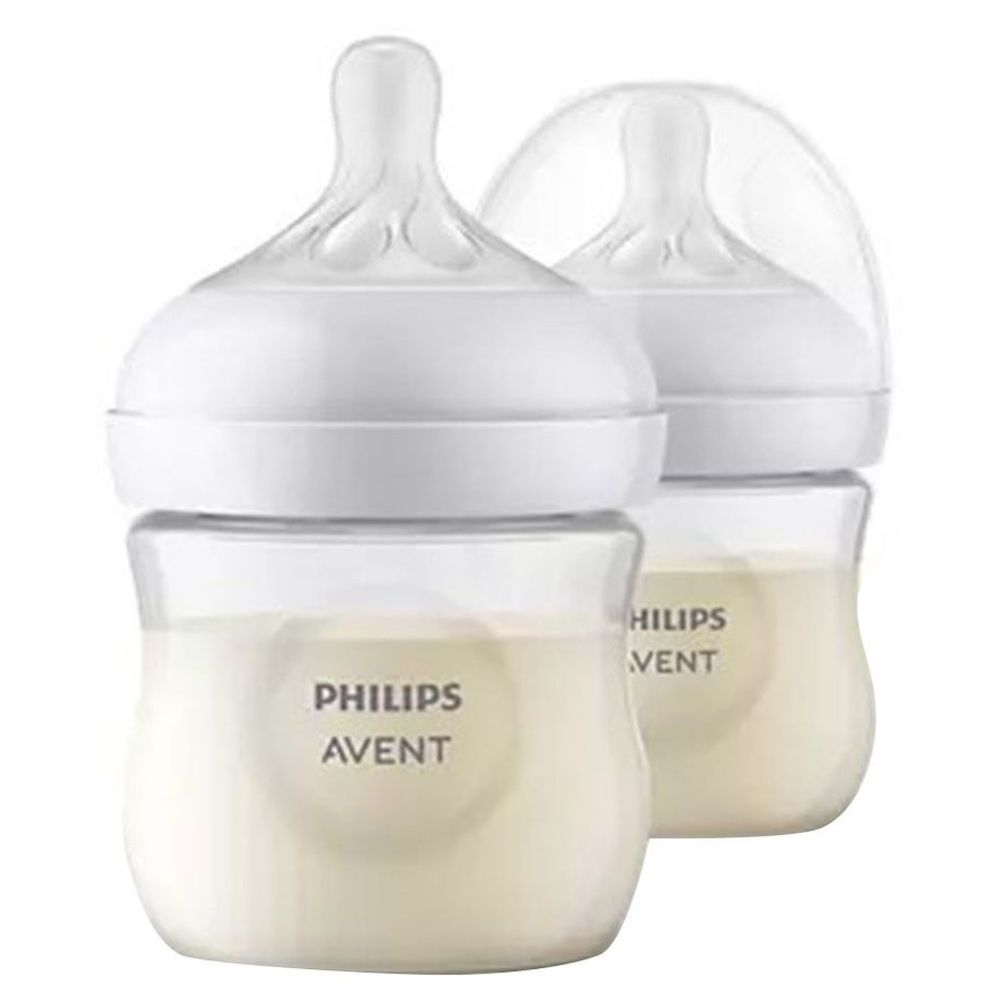
Nipple Selection: Follow a baby bottle nipple stages guide to ensure you are using slow flow bottle nipples for newborns. A flow that is too fast can cause a baby to choke, while one that is too slow may lead to frustration.
How to Bottle Feed Your Baby Correctly
The way you bottle feed your baby affects how much air they swallow and how well they digest their meal.
Proper Positioning and Latch
When it's time to eat, find a comfortable spot and hold your baby close. Support them in a semi-upright position rather than lying them flat. This is one of the best infant feeding positions for reflux, as it helps gravity keep the milk down.
Hold the bottle at an angle so that the nipple is completely full of milk; this ensures the baby doesn't swallow air, which can lead to painful gas. Gently stroke the nipple against your baby’s mouth and wait for them to open wide. Once they latch, make sure they have a wide seal around the base of the nipple.
The Paced Bottle Feeding Technique
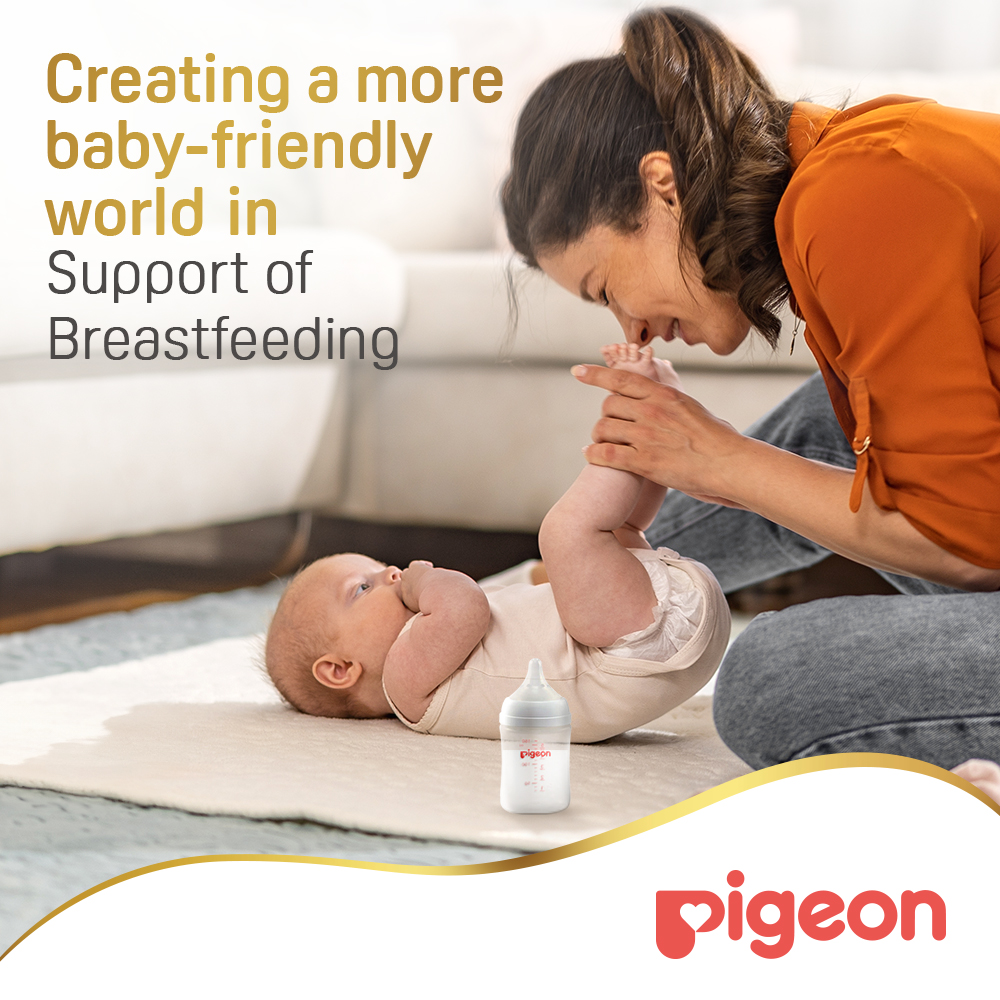
If you are bottle feeding a breastfed baby, you might be worried about preventing nipple confusion. The paced bottle feeding technique is the gold standard here. Instead of letting the milk pour into the baby’s mouth, hold the bottle horizontally and allow the baby to take breaks every few swallows. This mimics the rhythm of breastfeeding and helps in preventing nipple confusion.
Formula Preparation and Milk Storage
Safety in infant bottle feeding also involves how you handle the milk.
•
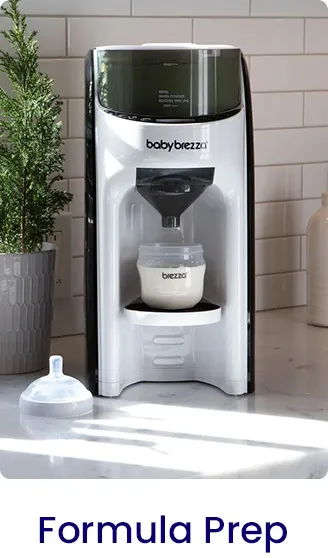
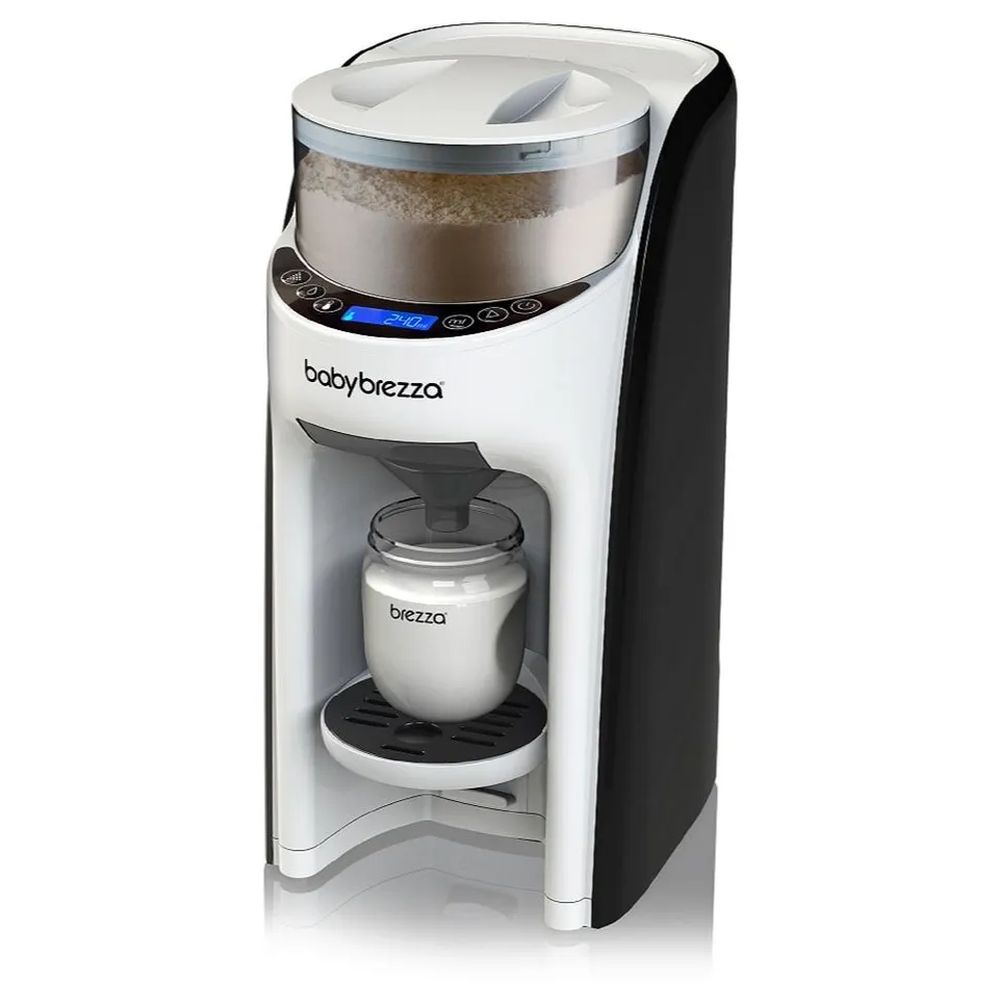
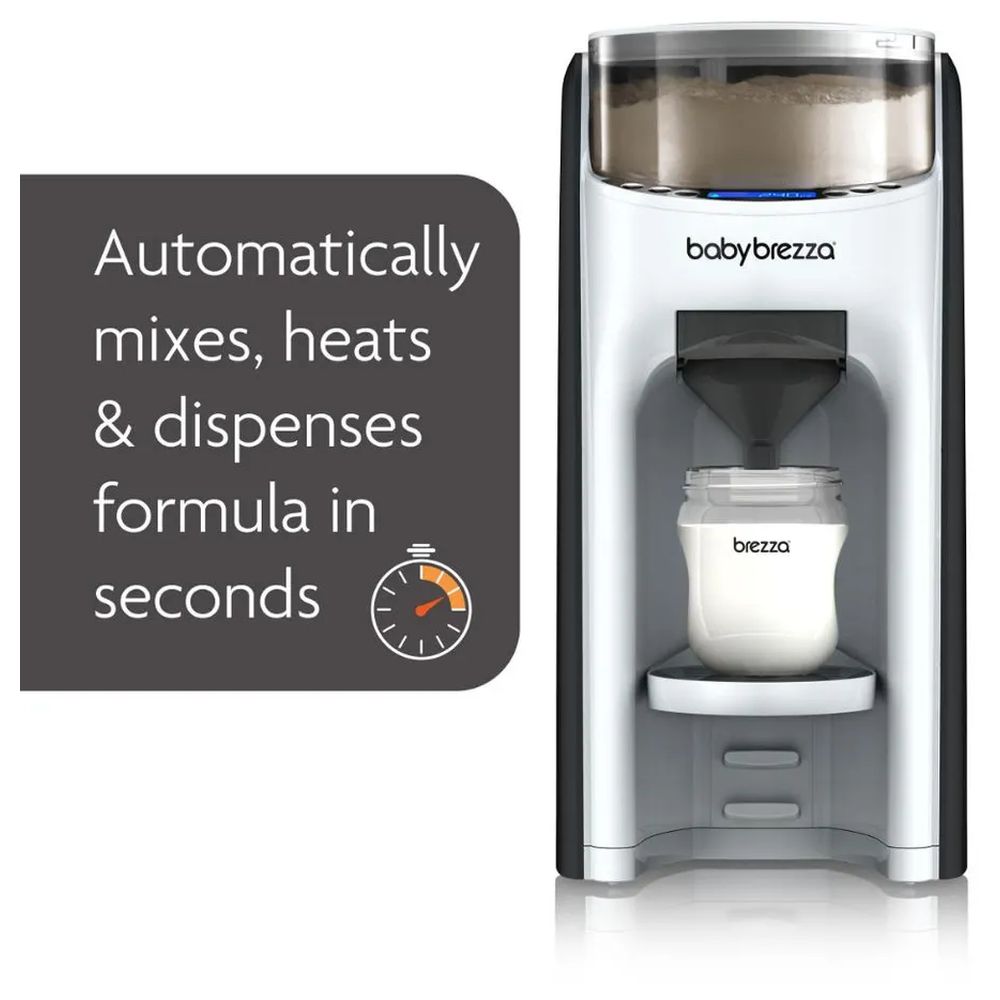
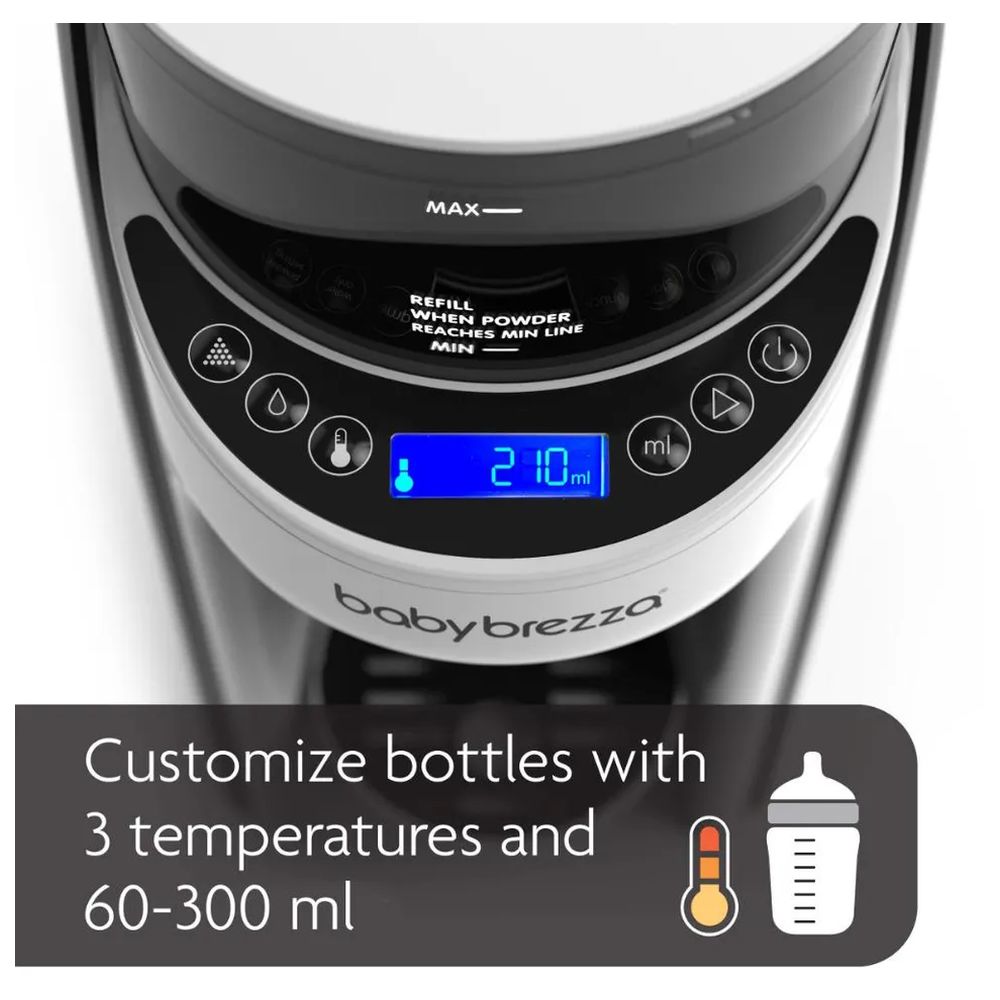
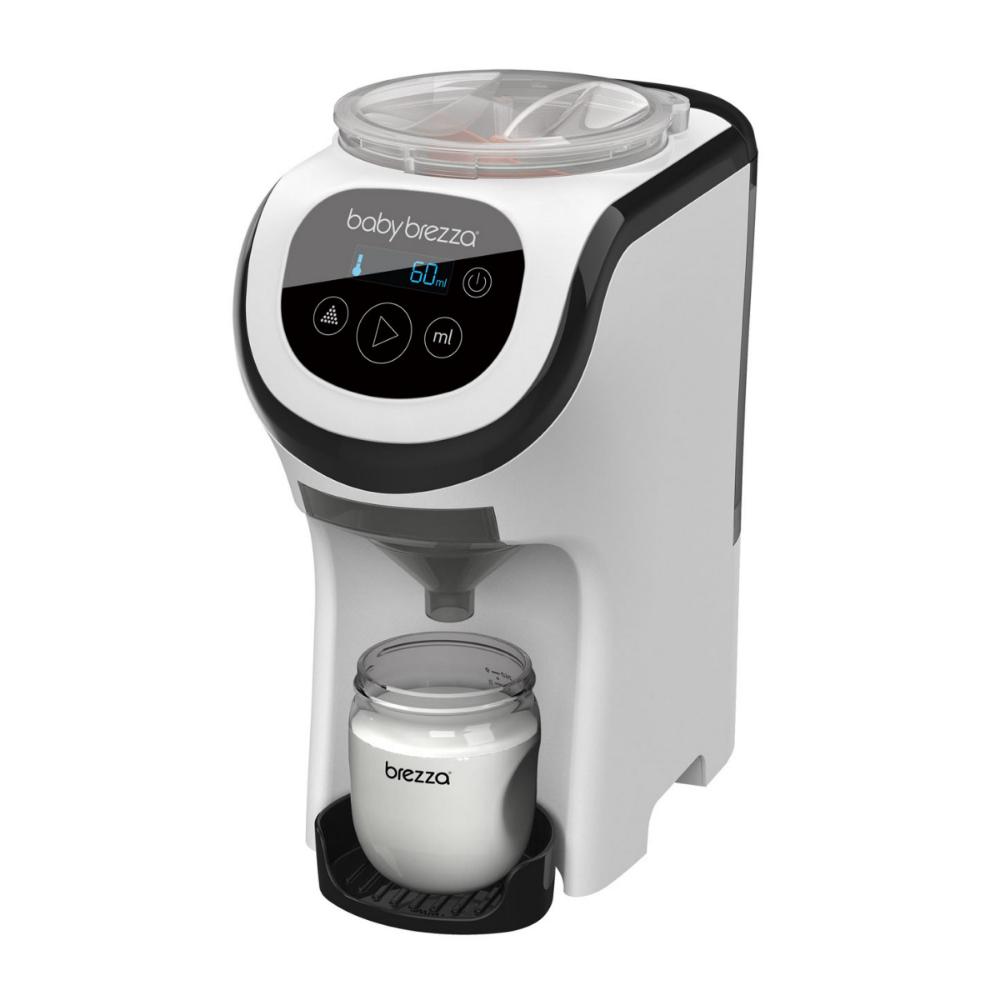
Mixing Formula Safely for Infants: Always follow the infant formula preparation guidelines on the package. Use the scoop provided and never add extra water or powder, as incorrect ratios can be hard on a baby’s kidneys.
•
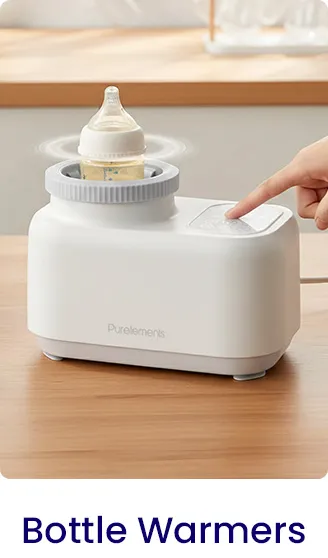
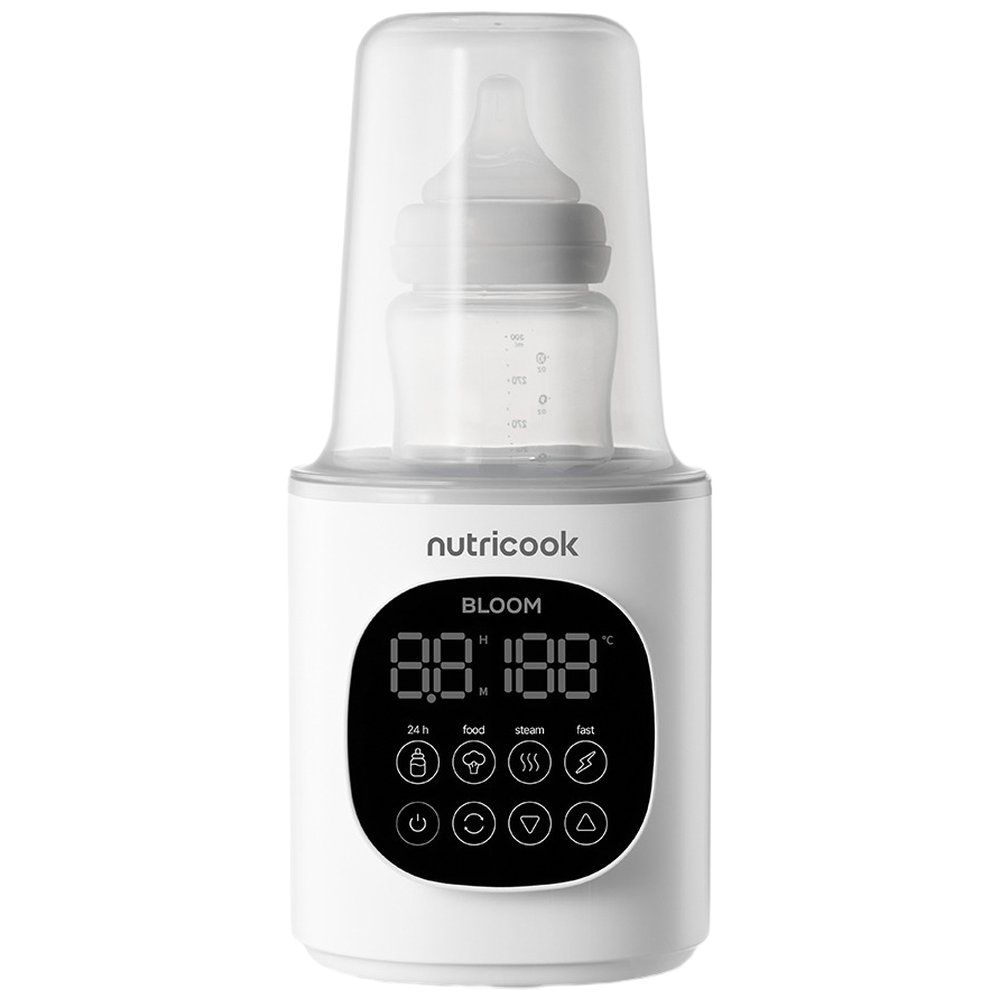
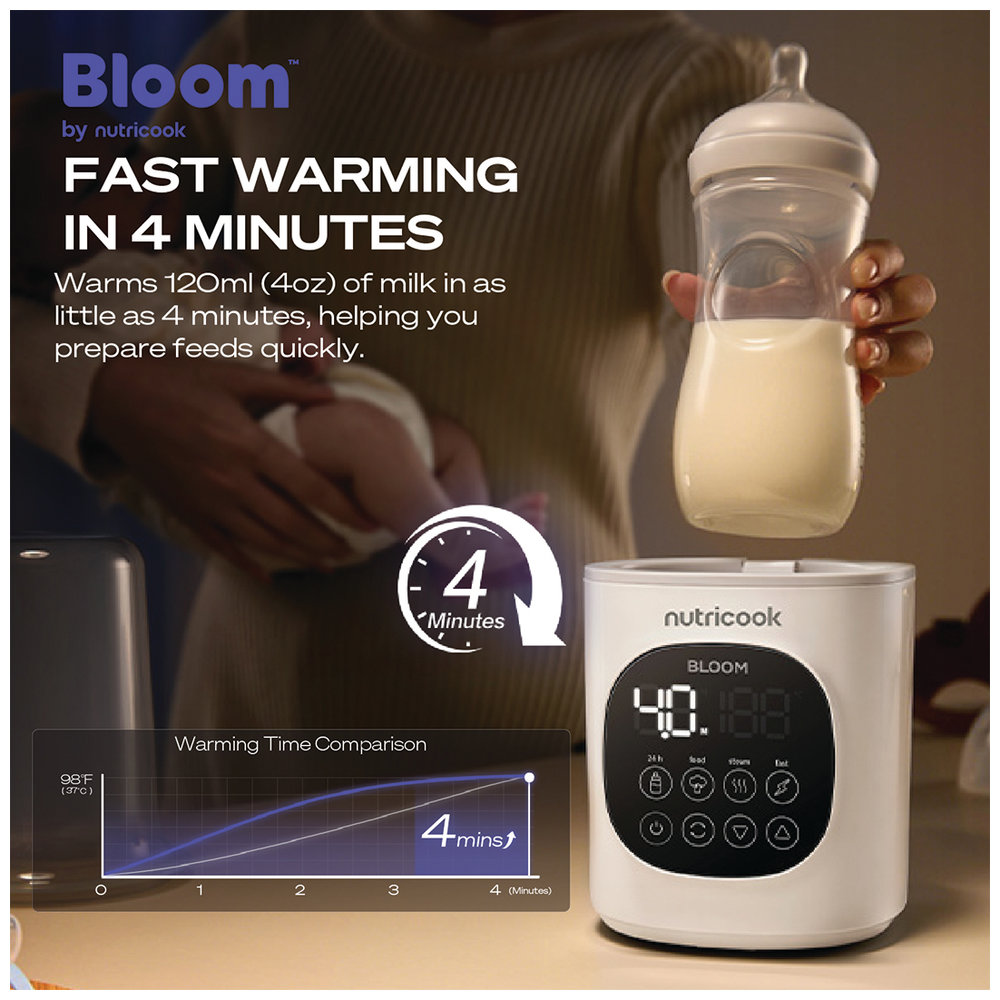
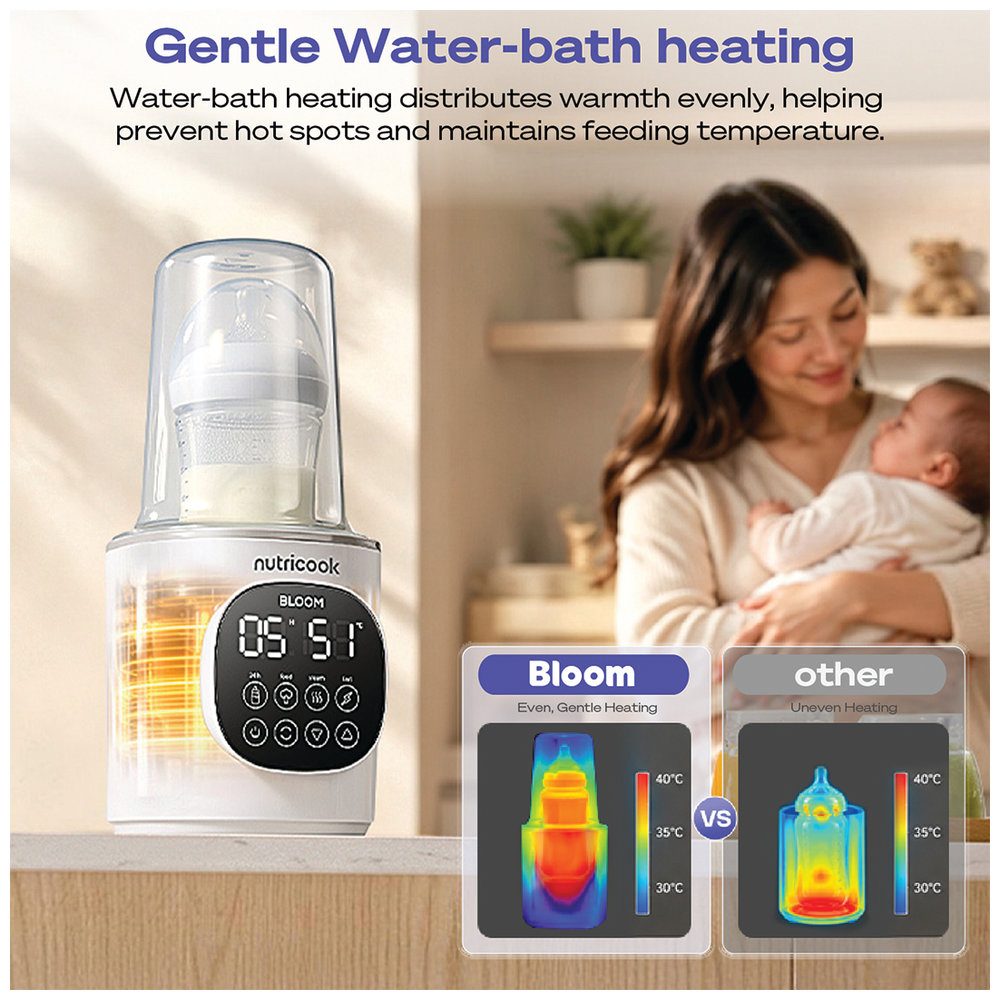
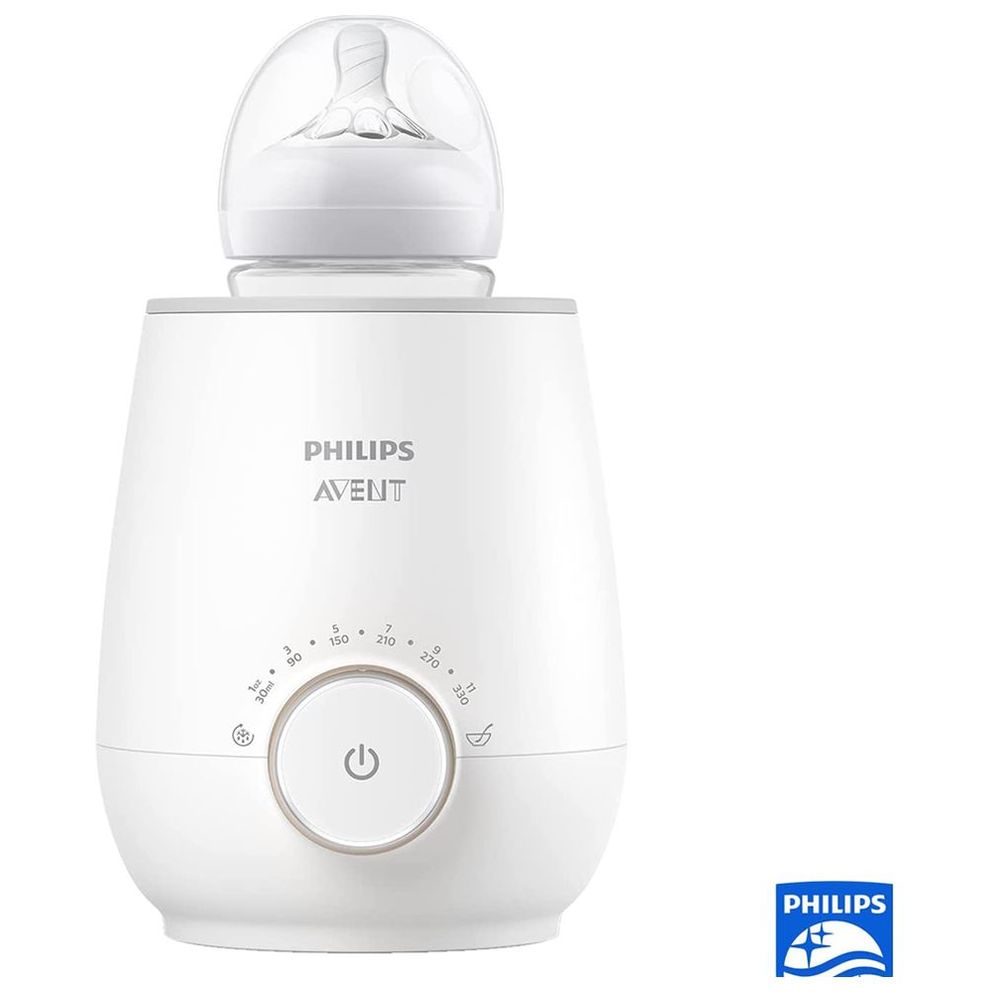
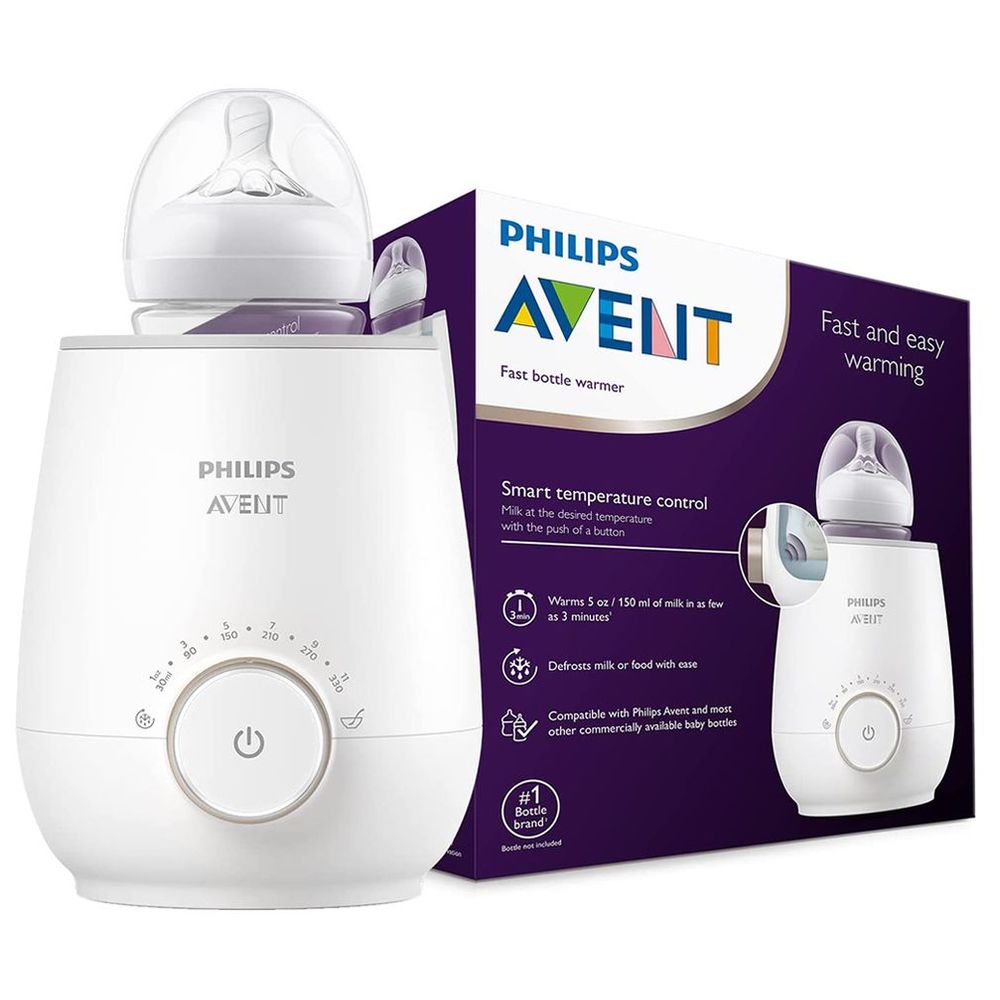
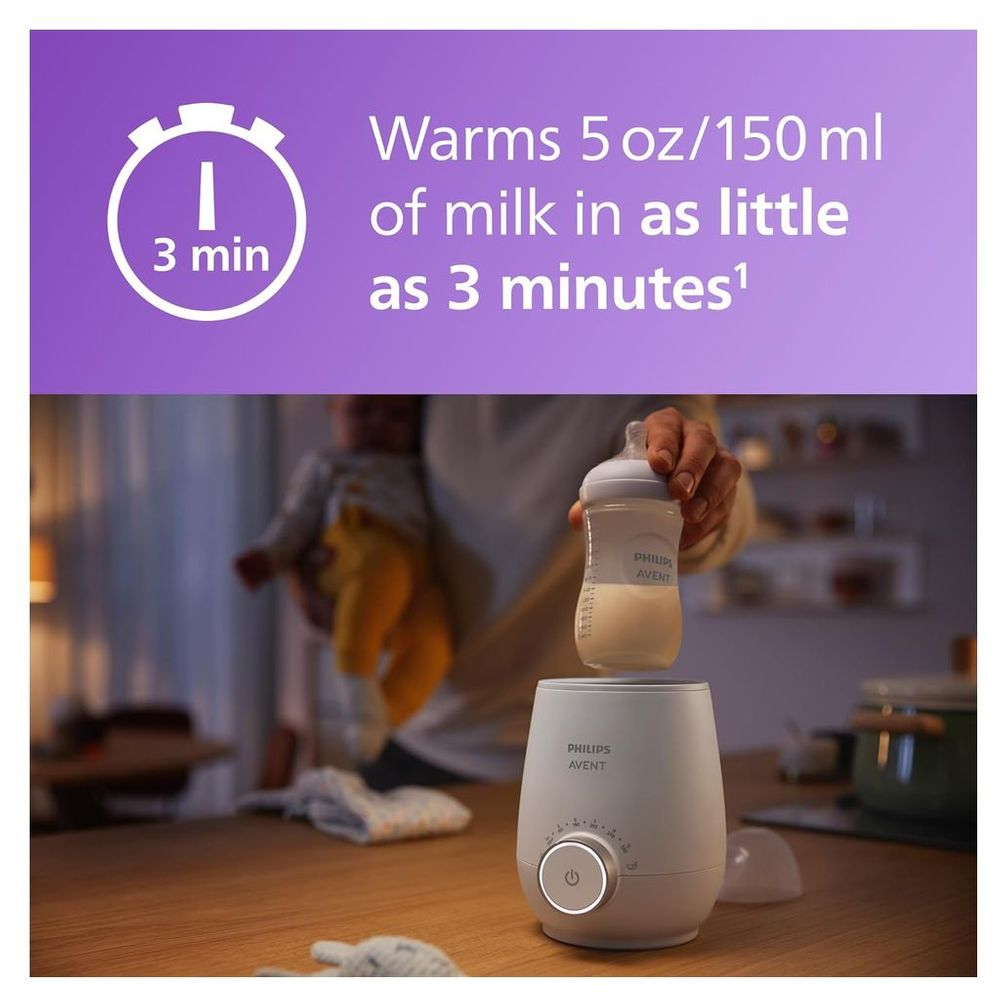
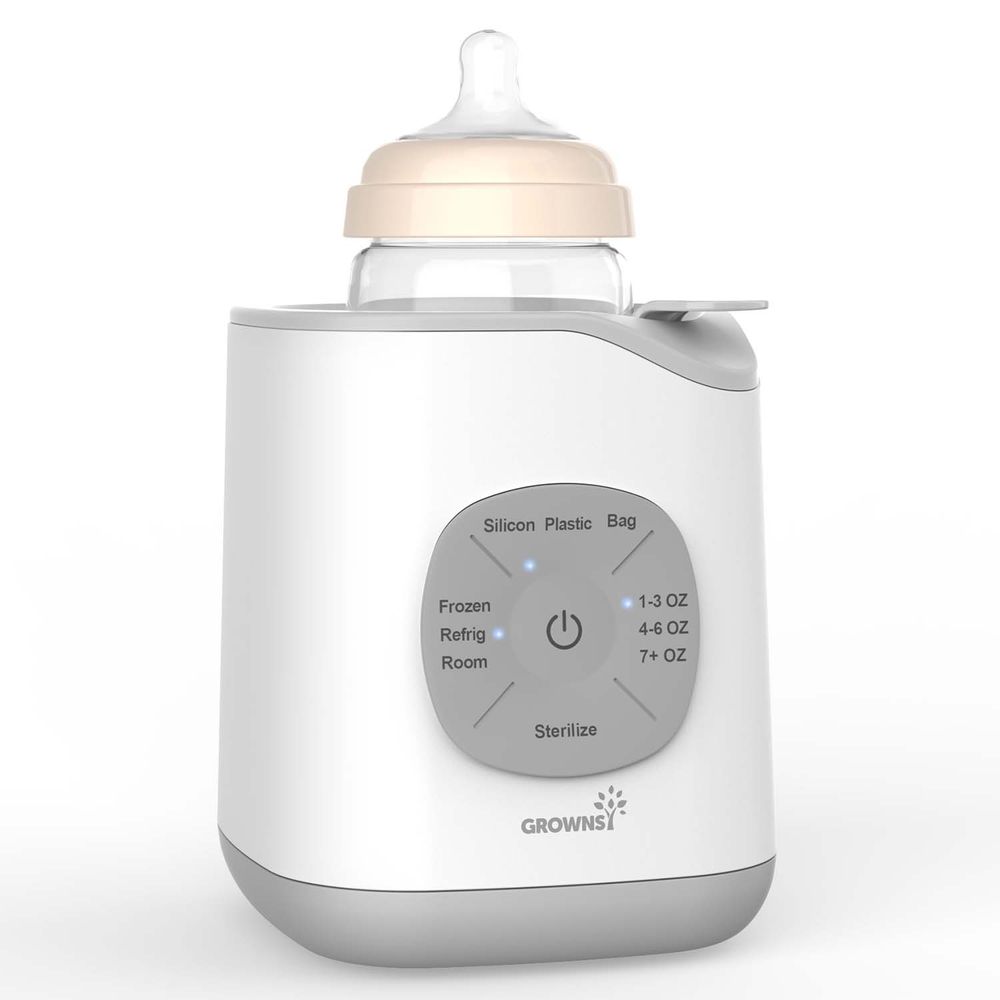
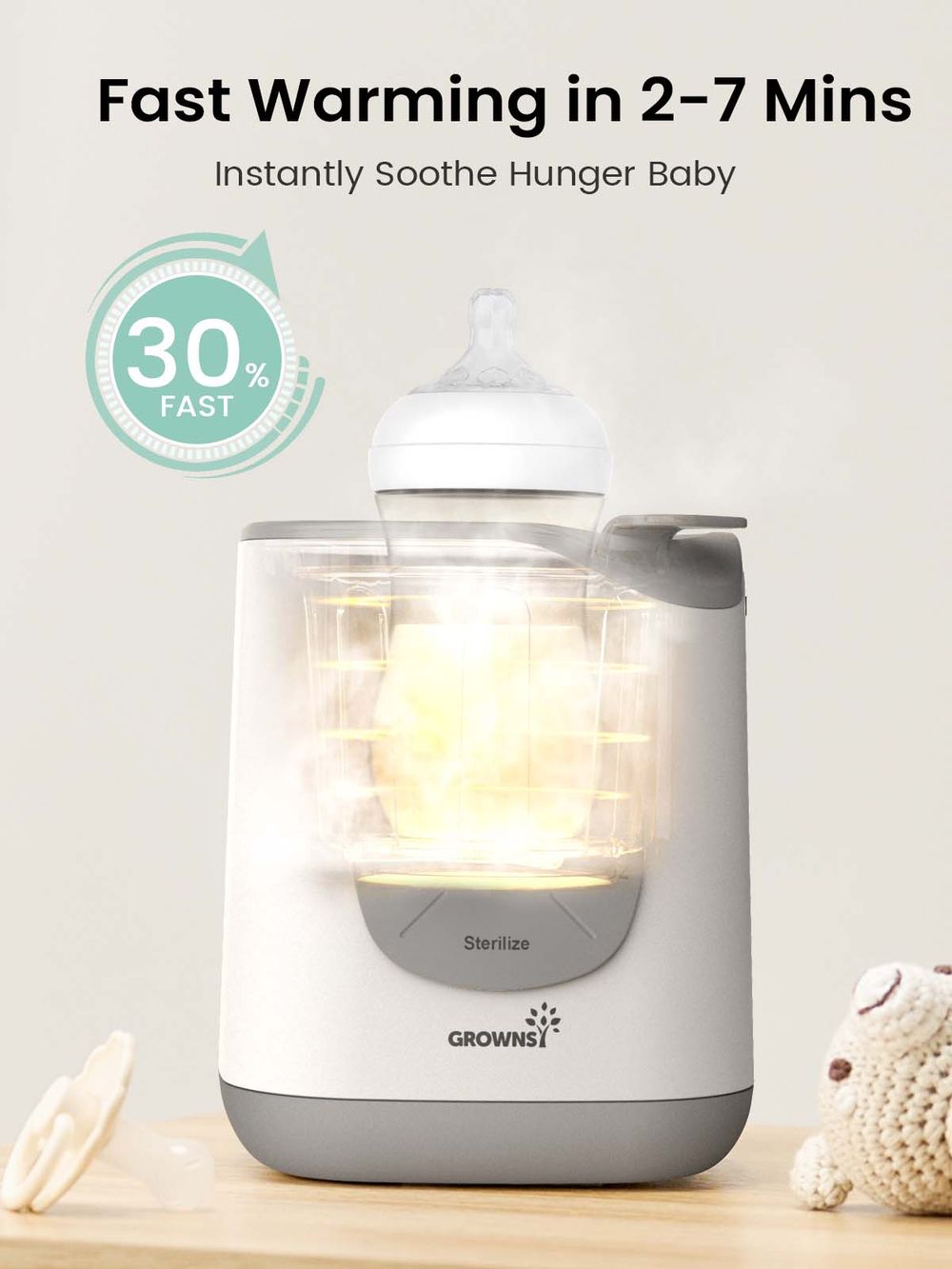
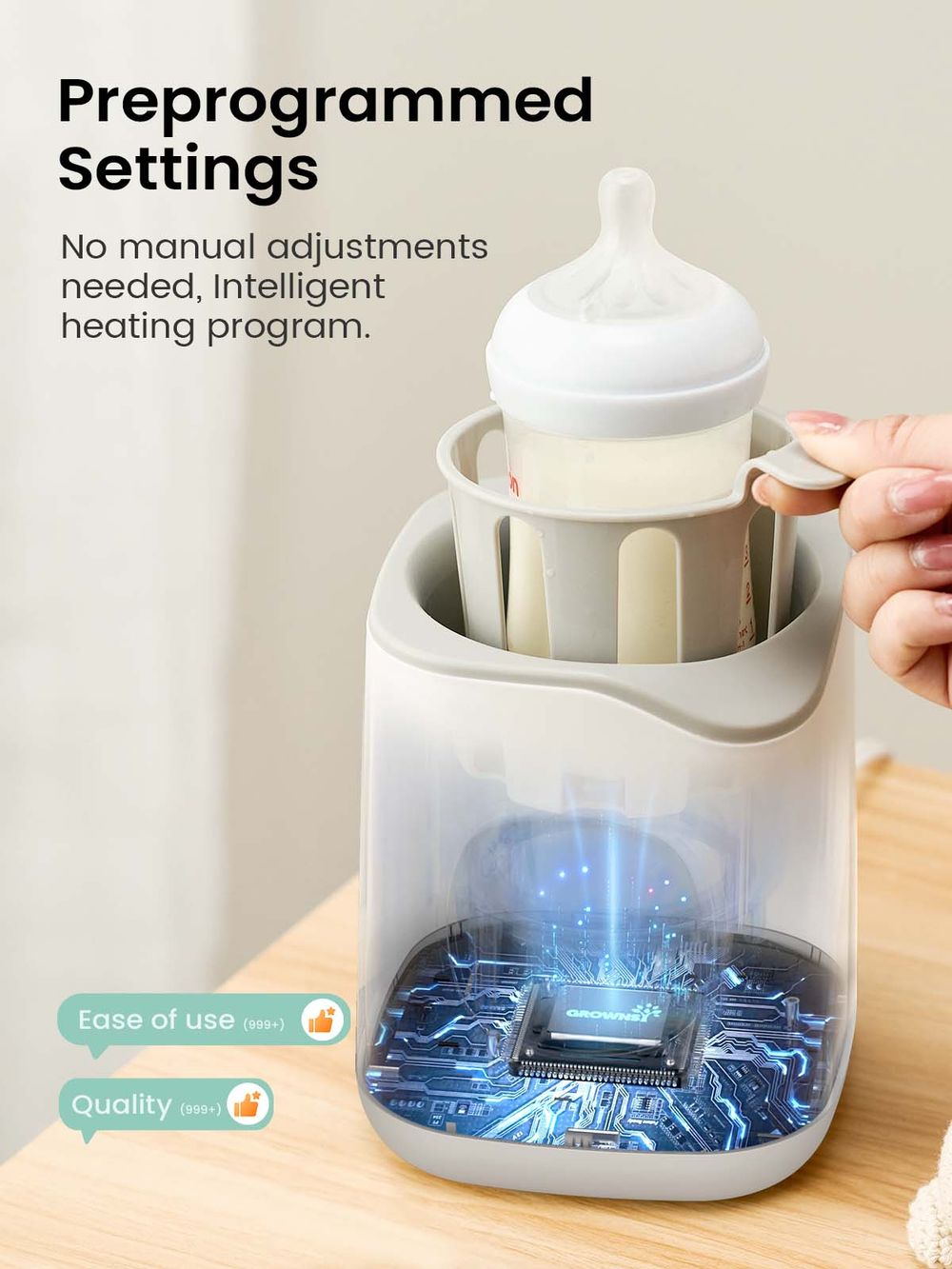
Breast Milk Storage and Warming: If you are using expressed milk, follow strict guidelines for breast milk storage and warming. Never use a microwave, as it creates hot spots. Instead, use the best portable bottle warmers or a bowl of warm water.
•
Testing Temperature: Before the bottle reaches your baby, always test the temperature by dropping a little liquid on the inside of your wrist. It should feel lukewarm, not hot.
Recognizing Hunger and Fullness Cues
Learning the signs of hunger in newborns—such as rooting, sucking on hands, or smacking lips—helps you feed them before they become too upset. On the flip side, keep an eye out for overfeeding signs in bottle-fed infants, like turning away, splaying fingers, or pushing the bottle out.
Never force your baby to finish the bottle. If they stop sucking or fall asleep, they are likely full. Forcing a baby to eat more can lead to discomfort and excessive spitting up.
Post-Feeding Care and Long-Term Health
After your baby eats, it is time to get those air bubbles out. To how to burp a bottle-fed baby, hold them upright over your shoulder or sit them on your lap while supporting their chin. Gently pat or rub their back.
Safety Precautions
•
Never Prop the Bottle: Always hold the bottle yourself. Propping a bottle can cause choking and increases the risk of ear infections and tooth decay.
•
No Bottle in Bed: Never put your baby to bed or leave them to fall asleep in their bed with a bottle. Milk pooling around a sleeping baby's teeth is a leading cause of early tooth decay.
•
Transitioning: As your baby approaches their first birthday, start transitioning from bottle to cup. By 12 months, most babies are ready to move away from bottles entirely.
Your Essential Parenting Categories
To support a seamless infant bottle feeding routine, ensure you have the right gear from our trusted collections. Explore our most important categories:
•
Baby Feeding Essentials: Including high-quality
Infant Formula,
Baby Feeding Accessories, and
Baby Water Bottle options.
•
Breastfeeding Accessories & Products: Discover the best
Electric Breast Pumps &
Manual Breast Pumps and Breastfeeding Accessories.
•
Infant and Baby High Chairs & Boosters: For when your baby is ready to sit up for meals.
•
Bibs & Burp Cloth: Keep those cute outfits clean during and after feeds.
•
Baby Soothers: For comfort between feeding sessions.
•
Baby Strollers & Lightweight Strollers: To maintain your active lifestyle in the UAE.
•
Car Seats & Boosters: For safe travels with your little one.
•
Baby Diaper Bags: To carry all your infant bottle feeding supplies on the go.
Frequently Asked Questions (FAQs)
Q1: How do I choose between glass and plastic bottles?
While both are safe if they are BPA-free, glass vs. plastic baby bottles often comes down to weight. Glass is more eco-friendly and stays clear over time, while plastic is lighter and won't break if dropped.
Q2: How often should I clean baby bottles and accessories?
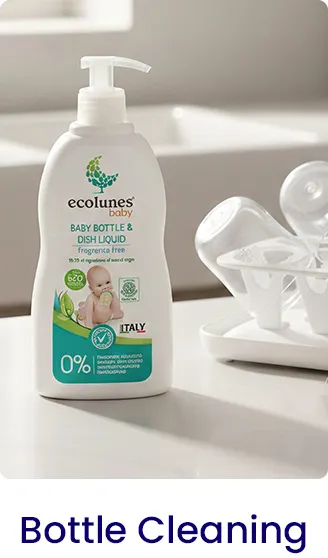
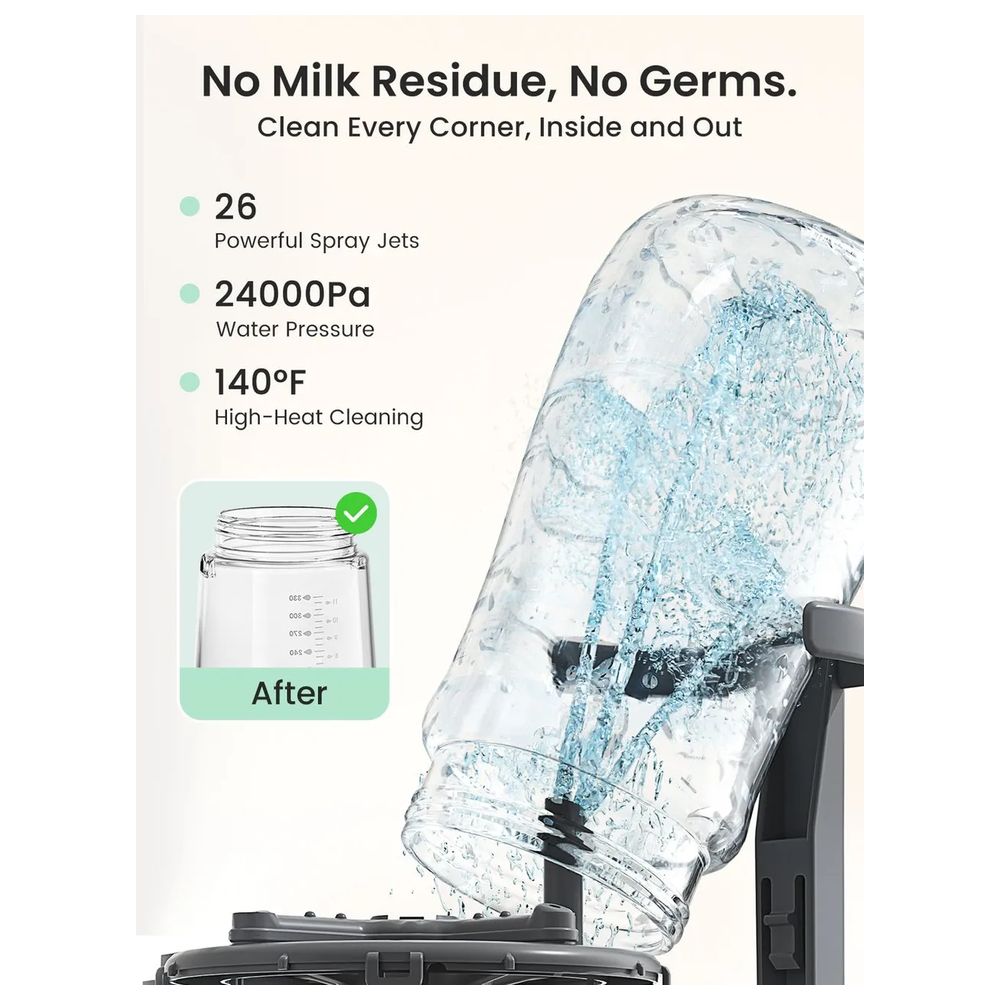
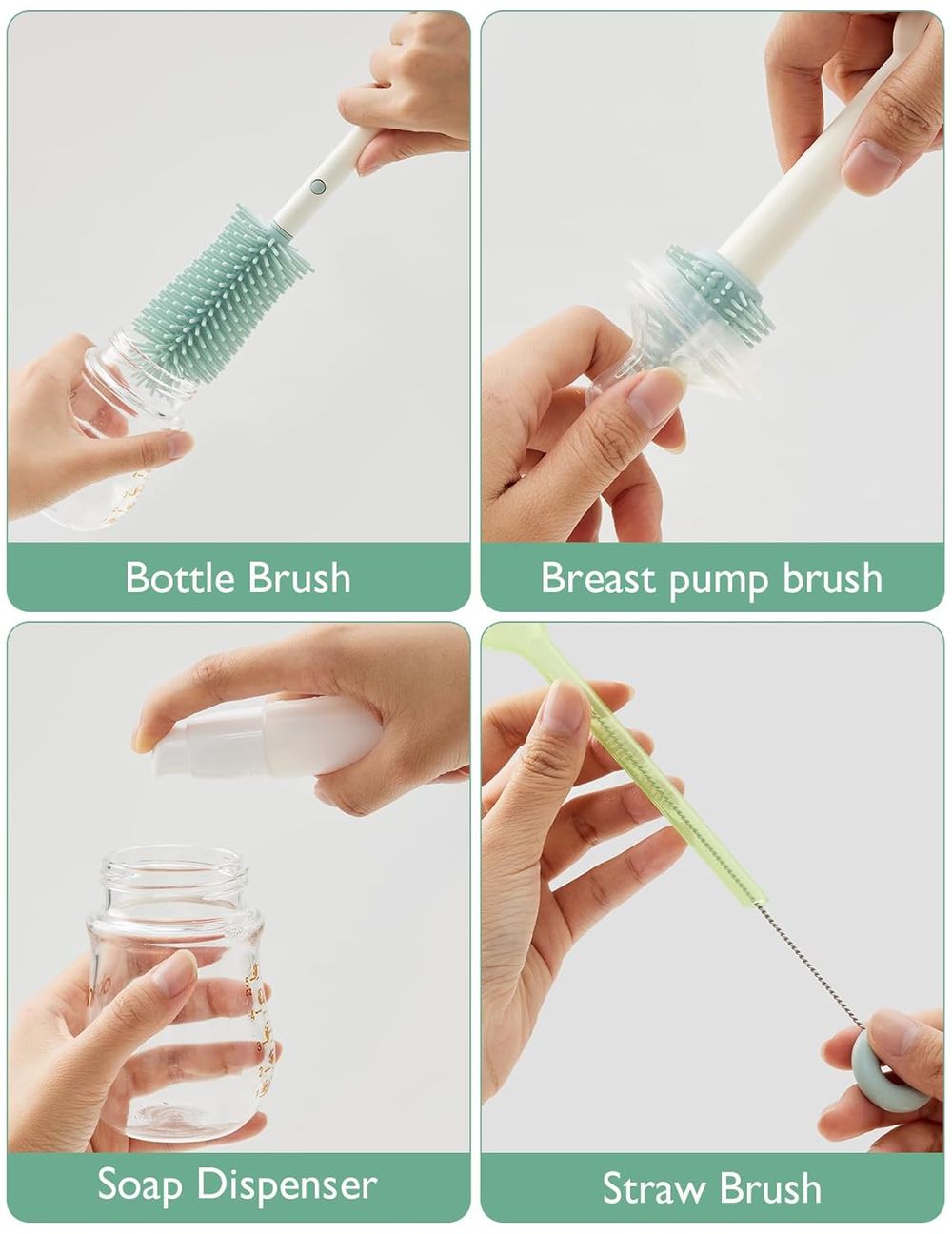
You should be cleaning baby bottles and accessories with hot soapy water and a bottle brush after every single feed. Additionally, you should sterilise bottles at least once a day for younger infants.
Q3: Can I save leftover milk for the next feed?
No. Once your baby eats from a bottle, bacteria from their mouth enters the milk. You should throw away any leftover infant formula or breast milk within one hour of the start of a feed.
Q4: What is the best way to prevent gas?
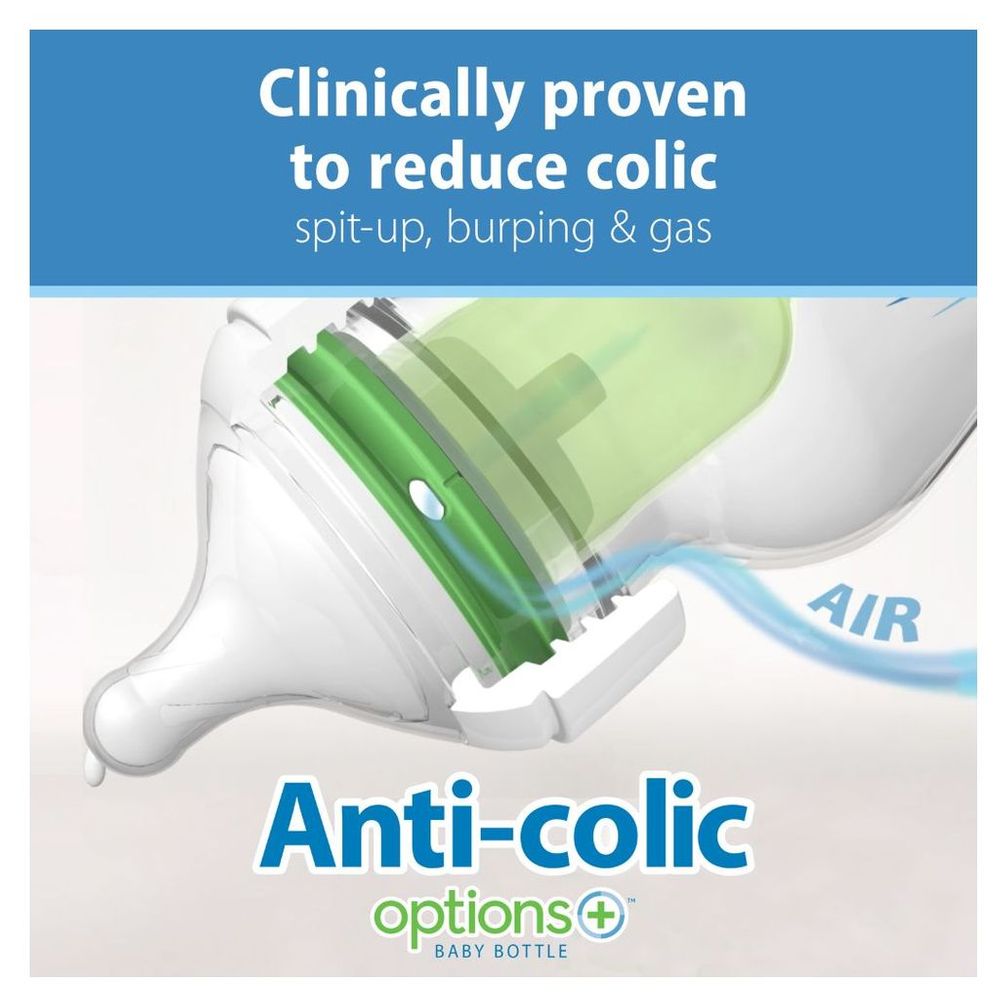
Using the best anti-colic baby bottles with built-in vents can significantly reduce the amount of air a baby swallows. Additionally, ensuring a good latch and keeping the bottle at an angle helps.
Q5: When should I move to the next nipple stage?
Refer to your baby bottle nipple stages guide, but also watch your baby. If they are sucking hard, taking a long time to finish, or becoming frustrated, it might be time to move from a slow flow bottle nipple to a medium flow.
Infant bottle feeding is more than just nutrition; it's a time for quiet connection. By following these safety tips and using the right equipment from Mumzworld, you can make every feed a bonding success.